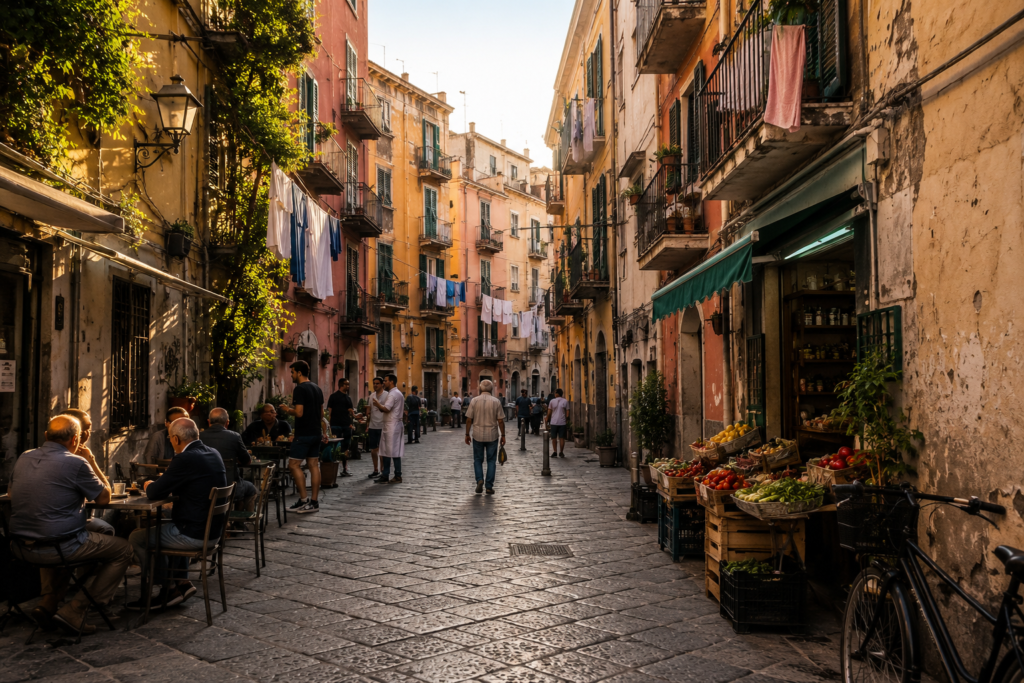

As North America prepares for the most expansive tournament in history, millions of fans are about to face a logistical nightmare: the absolute gridlock of 16 host cities. For the “Anti-Bucket List” traveler, the biggest challenge isn’t finding tickets—it’s finding a way to get around cities like Vancouver, Seattle, and Toronto without spending four hours in a rideshare. This is where investing in the best commuter e-bike 2026 models becomes your ultimate tournament travel hack. By choosing two wheels over four, you aren’t just bypassing traffic; you’re embracing a mobility revolution that allows you to see the real soul of the city while everyone else is stuck on a highway. Whether you’re a local or a visitor, finding the best commuter e-bike 2026 is the key to experiencing the world’s biggest party on your own terms.
Table of Contents
Navigating the 2026 World Cup: Why Traditional Travel is a Rookie Mistake
The 2026 FIFA World Cup is set to be a logistical marathon, spanning the vast distances of the USA, Canada, and Mexico. For the “Anti-Bucket List” traveler, the biggest challenge isn’t securing front-row seats; it’s finding a way to navigate host cities like Vancouver, Seattle, and Toronto without spending half the tournament stuck in a rideshare. This is where the best commuter e-bike 2026 models become a game-changer. By opting for two wheels, you aren’t just choosing a vehicle; you’re choosing a strategy that bypasses the “car-geddon” predicted for these major metropolitan hubs.
The Rise of Sustainable Tournament Travel in North America
As we look toward the 2026 summer season, sustainable tournament travel has moved from a niche concept to a mainstream necessity. Host cities are heavily investing in bike lanes and “fan corridors” specifically designed to handle the millions of visitors expected to descend on stadiums. When you look at the current e-bike service USA Canada data, it’s clear that the infrastructure for electric mobility is peaking just in time for the first whistle. Choosing an e-bike allows you to stay in “hidden gem” neighborhoods further from the stadium—where prices are lower and the culture is more authentic—while still enjoying a 20-minute breeze-filled commute to the match. Find your tournament-ready ride at Viviebikes
Breaking Down the Best Commuter E-Bike 2026 Trends
What makes a bike the top rated electric bike for a cross-continental tournament? In 2026, it’s all about the “Three Rs”: Range, Reliability, and Portability.
Long-Range Battery Innovation:
For fans hopping between fan zones in sprawling cities like Los Angeles or Miami, long-range e-bike batteries are essential. You need a machine that can handle a 40-mile round trip on a single charge without breaking a sweat in the July heat.
Lightweight and Folding Designs:
If your World Cup journey involves taking the Amtrak between Philadelphia and New York, lightweight folding e-bikes are your best friend. These models allow you to tuck your transport into a train luggage rack or the trunk of a smaller rental car, offering unparalleled flexibility.
Understanding E-Bike Service Search Volume: Why Maintenance Matters
If you are wondering about the search volume for e-bike service, you aren’t alone. With over 90,000 monthly searches currently occurring in North America, more riders than ever are seeking professional care for their electric drivetrains. Before you head out for a day of matches, performing basic e-bike battery care and checking your brake alignment is vital. In a crowded city environment, having responsive hydraulic brakes and a well-maintained motor can be the difference between a smooth ride and a missed kickoff.
Budget-Friendly Electric Bikes: Luxury Specs without the Price Tag
Many travelers assume that high-end mobility comes with a five-figure price tag, but the market for budget-friendly electric bikes has exploded with quality options. You can now find all-terrain electric bikes that feature the torque of a mountain bike with the comfort of a city cruiser for under $2,000. This fits perfectly into the “Budget Luxury” ethos of Parandjah Travels—getting the absolute best experience of a city like Vancouver or Mexico City without draining your entire travel fund on transportation alone. Shop Budget-Friendly E-Bikes at Viviebikes
The “Anti-Bucket List” Experience: Discovering Host Cities on Two Wheels
The true magic of the World Cup happens between the games. When you use one of the top rated electric bikes from the Viviebikes lineup, you can explore the local food markets of Toronto or the hidden coastal paths of the Pacific Northwest that tour buses simply can’t reach. This is the heart of authentic immersion—the ability to stop at a local cafe, engage with the fans from around the world, and see the city at a human pace.
Mastering All-Terrain E-Bike Adventures in Canada and Beyond
For host cities with more varied topography, such as Vancouver or the hilly outskirts of Mexico City, an all-terrain e-bike Canada model is a must. These bikes feature wider tires and more robust suspension systems, allowing you to transition from the stadium pavement to a scenic mountain trail for a post-match sunset ride. It turns a simple sports trip into a multi-dimensional adventure.
The Economics of E-Biking: A Cost-Benefit Analysis for the 2026 Season
When planning a multi-city trip for the World Cup, most travelers default to car rentals or expensive ride-sharing apps. However, looking at the budget-friendly electric bikes available today, the math quickly shifts in favor of two wheels. During peak event seasons, a rental car in cities like Vancouver or Seattle can easily exceed $250 per day, not including the “event pricing” for parking which can hit $100 per game. You don’t have to break the bank to own the best commuter e-bike 2026 for your urban travels.
Investing in a top rated electric bike from Viviebikes essentially pays for itself in less than ten days of tournament travel. Furthermore, unlike a rental car, your e-bike doesn’t lose value the moment the final whistle blows. It remains a high-utility asset for your daily life or your next “Anti-Bucket List” adventure. When you calculate the savings on fuel, parking fees, and the sheer value of time saved by bypassing traffic, the e-bike isn’t just a travel choice; it’s a financial strategy.
Technical Breakdown: Understanding the 2026 E-Bike Standards
To ensure you are buying the best commuter e-bike 2026 has to offer, you need to look under the hood. The technology has advanced significantly in the last few years, and knowing what to look for will prevent you from buying outdated stock.
Torque vs. Cadence Sensors:
For the hilly host cities like Mexico City or San Francisco, you want a torque sensor. Unlike older cadence sensors that just turn the motor on or off, torque sensors measure how hard you are pedaling and provide a natural, smooth boost. This is crucial for navigating crowded “Fan Zones” where you need precise control.
UL-Certified Battery Systems:
Safety is paramount when traveling. Only look for bikes with UL-certified long-range e-bike batteries. This certification ensures the battery has undergone rigorous fire and electrical safety testing—a must-have if you plan on charging your bike in a hotel or Airbnb.
Regenerative Braking and Hydraulic Systems:
In high-traffic environments, stopping power is just as important as speed. The best 2026 models feature hydraulic disc brakes, which require less hand pressure and provide more consistent stopping power in the rain, which is common in northern host cities like Toronto and Seattle. Explore High-Tech E-Bikes at Viviebikes
International Travel Logistics: Bringing Your E-Bike to the Games
One of the most frequent questions for the 2026 season is how to transport your bike between the USA, Canada, and Mexico. Navigating the e-bike service USA Canada landscape involves understanding transit laws.
Flying with an E-Bike:
Most major airlines allow you to check an e-bike frame as “oversized luggage,” but they will not allow the battery on the plane. The “Travel Hack” for 2026 is to ship your battery separately via a ground courier (like FedEx or UPS) to your destination or rent a battery from a local e-bike service shop upon arrival.
Border Crossing and Customs:
When crossing between the USA and Canada with your bike, ensure you have your purchase receipt from Viviebikes. Since it is a personal mobility device, you shouldn’t face duties, but having your digital paperwork ready in your Rank Math-optimized cloud storage is a smart move.
The Owner’s Manual: Post-Match Maintenance and Storage
With the search volume for e-bike service skyrocketing, being your own “mechanic” can save you time. Regular service ensures the best commuter e-bike 2026 remains in peak condition for match day
Cleaning After a Coastal Ride:
If you are riding in coastal cities like Miami or Vancouver, salt air can lead to corrosion. A simple wipe-down with a damp cloth after a ride will keep your frame looking new.
Software Updates:
Modern 2026 e-bikes often have “Over-the-Air” (OTA) updates. Before the tournament starts, connect your bike to your home Wi-Fi to ensure your motor controller has the latest efficiency patches.
Secure Storage:
Tournament cities will be crowded. If your hotel doesn’t offer “Bike Valet,” look for specialized apps that list secure, indoor bike lockers. Never leave your battery on the bike in a public rack, even with a high-quality lock.
Navigating the Legal Landscape: E-Bike Classes in the USA and Canada
Before you hit the road for the 2026 matches, it is vital to understand that not all e-bikes are treated the same by local law enforcement. As e-bike service USA Canada providers will tell you, North America generally follows a “Three-Class” system. Knowing which class your ride falls into ensures you don’t get a ticket while trying to make it to kickoff.
Class 1: Pedal Assist Only:
These bikes only provide power when you are pedaling and usually top out at 20 mph. They are welcomed on almost all bike paths in cities like Vancouver and Seattle.
Class 2: Throttle Assisted:
These include a throttle that allows you to move without pedaling. While incredibly helpful for heavy traffic in Toronto or Los Angeles, some specific “non-motorized” trails may restrict them.
Class 3: High-Speed Commuters:
These are the top rated electric bikes for those with long commutes, as they provide assistance up to 28 mph. However, they are often restricted to the road or specific bike lanes rather than multi-use park paths.
Understanding these distinctions helps you plan your route from your “hidden gem” Airbnb to the stadium gates without any legal hiccups.
E-Bike Etiquette in Massive Crowds: Being a “Pro” Fan
With millions of people walking the streets during the 2026 summer, safety and etiquette are your top priorities. A best commuter e-bike 2026 is a powerful machine, and using it responsibly is part of the “Anti-Bucket List” ethos of respectful travel.
The “Walk-Zone” Rule:
Near the stadiums, “Fan Corridors” will be packed with pedestrians. If the crowd becomes too dense, the pro move is to hop off and walk your bike. It’s safer for everyone and prevents your motor from overheating due to constant “stop-and-go” at low speeds.
Audible Signaling:
n the noise of a World Cup city, a standard bell might not be enough. Many budget-friendly electric bikes now come with integrated electric horns. Use them sparingly but effectively to alert distracted fans of your presence.
Lighting for Night Games:
- Many World Cup matches will end late at night. Ensure your integrated LED headlamps are clean and functional. Being visible is just as important as being able to see the road when navigating the busy streets of Miami or Mexico City after dark. Stay safe and stylish with accessories at Viviebikes
The “E-Bike vs. Public Transit” Challenge: A Vancouver Case Study
To prove the power of two wheels, let’s look at a hypothetical match day in Vancouver. If you are staying in the quiet, scenic neighborhood of Kitsilano and heading to BC Place, Navigating the hills of British Columbia is easy when you’re on the best commuter e-bike 2026 model. your options are:
- Public Transit (The SkyTrain): Expect a 45-minute journey including the walk to the station, plus a 20-minute wait on the platform with 5,000 other fans.
- Rideshare (Uber/Lyft): Likely a $60 “surge-priced” fare and a 50-minute crawl through downtown gridlock.
- The E-Bike Advantage: A 15-minute ride over the Burrard Street Bridge with a dedicated bike lane and a stunning view of the mountains.
- When you choose the best commuter e-bike 2026 has to offer, the bridge traffic in Vancouver becomes a scenic highlight rather than a headache.
When you multiply this across a month of travel, the best commuter e-bike 2026 pays for itself not just in money, but in the stress you avoid. This is why the search volume for e-bike service is peaking; travelers are realizing that their time is the most valuable currency they have.
Preparing for the Heat: E-Bike Battery Care in a North American Summer
The 2026 tournament will take place during the peak of summer. In cities like Dallas, Monterrey, or Atlanta, temperatures can easily exceed 95°F (35°C). Extreme heat is the primary enemy of e-bike battery health. Maintaining your battery is key when riding the best commuter e-bike 2026 through the humid summer heat of Miami or Dallas. Reliable power is a hallmark of the best commuter e-bike 2026 designs hitting the market this year
Avoid “Hot Charging”:
After a long ride in the sun, your battery cells will be warm. Do not plug it into the charger immediately. Let it sit in a cool, indoor environment for at least 30 minutes. Charging a hot battery can degrade the lithium cells, shortening your overall range over time.
Shady Parking is Mandatory:
If you are parking at a “Bike Valet” near the stadium, try to find a spot under a tent or tree. Direct sunlight on a black battery casing can cause temperatures to spike, potentially triggering a “safe-mode” shutdown in high-end long-range e-bike batteries.
Final Thoughts: Your 2026 Legacy
Long after the trophy has been raised and the fans have flown home, your e-bike remains. It is the ultimate souvenir of a summer spent in authentic immersion. While others leave with a t-shirt and credit card debt from rental cars, you leave with a high-performance vehicle that has changed the way you interact with the world.
Whether you are commuting to work in Toronto or planning your next “Anti-Bucket List” trip to the Albanian Riviera, the freedom of the electric bike is yours to keep. The 2026 World Cup is just the beginning of your journey on two wheels. Claim your 2026 freedom at Viviebikes now”
Conclusion: The Future of Mobility Starts in 2026
As the world prepares for the most expansive tournament in history, don’t get left on the sidelines of a highway. Investing in a quality electric bike is an investment in your sanity, your schedule, and your overall travel experience. Whether you’re looking for the best commuter e-bike 2026 has to offer or a rugged explorer for the outskirts of the city, now is the time to prepare. Prepare for 2026 with Viviebikes
The 2026 World Cup is more than just a series of soccer matches; it’s a glimpse into the future of how we move through our cities. By choosing the best commuter e-bike 2026 for your journey, you are rejecting the frustration of the “gridlock status quo” and embracing the freedom of the open road.
Whether you are chasing goals in the stadium or hidden gems in the outskirts of the city, your e-bike is the key to an authentic immersion experience that no car or tour bus can provide. The tournament will end, the crowds will leave, but your journey on two wheels is just beginning. Join the Mobility Revolution at Viviebikes. Ultimately, the best commuter e-bike 2026 models aren’t just for the tournament; they are long-term investments in your mobility. Don’t settle for gridlock when the best commuter e-bike 2026 is waiting to transform your journey.”