
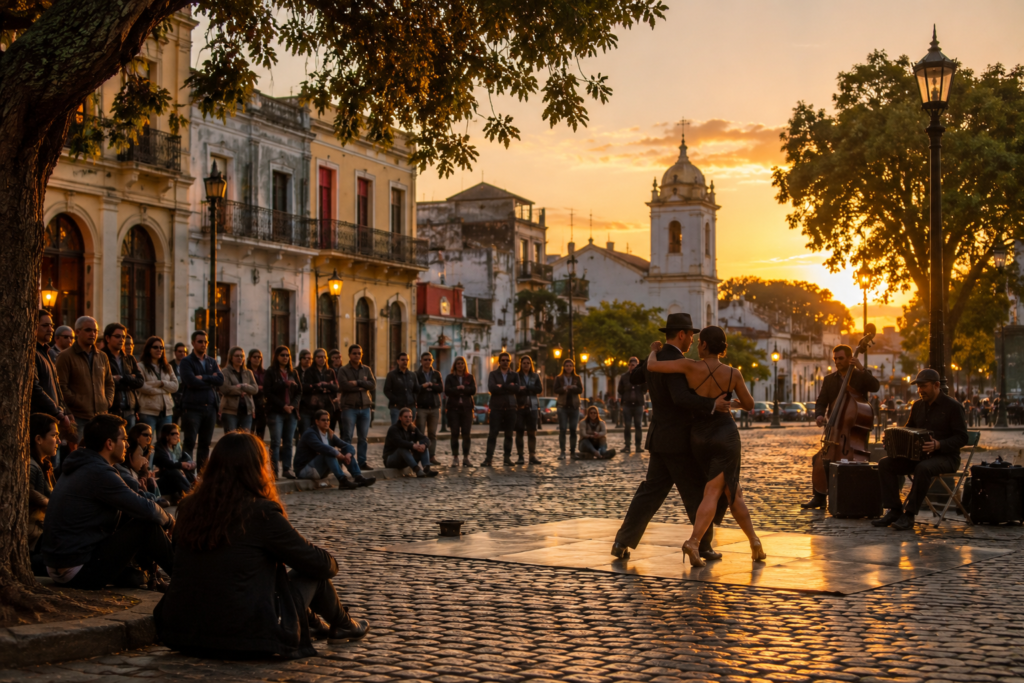
Buenos Aires on a budget requires checking current peso prices and the exchange rate your payment method actually applies. A historical “blue dollar” comparison is not a reliable promise of today’s savings. This guide compares accommodation bases, explains what to check before paying and gives a worked budget with a clear distinction between shared room costs and individual expenses.
| Base | Useful for | Check before booking |
|---|---|---|
| San Telmo | Historic streets and Sunday fair | Exact block, room noise and evening routes |
| Villa Crespo | Longer stays and local-area plans | Complete rental terms and transit walk |
| Palermo | Dining, parks and nightlife | Which part of this large district fits your plans |
| Recoleta | Museum visits and central walks | Room quote and actual journeys |
Compare Payment Methods Before You Exchange
Argentina’s exchange arrangements and the gap between payment methods can change. Compare the final peso amount, fees and settlement rate for your card, cash exchange or withdrawal rather than assuming cash dollars always win. The U.S. State Department’s currency guidance recommends exchanging only at banks, hotels or money exchangers with physical storefronts, using your passport and keeping receipts. Do not use street changers. Keep a backup payment method and verify quotes close to departure; “blue dollar” describes an informal market, not a guaranteed lawful exchange offer or universal visitor rate.
San Telmo: The Budget-First Neighborhood
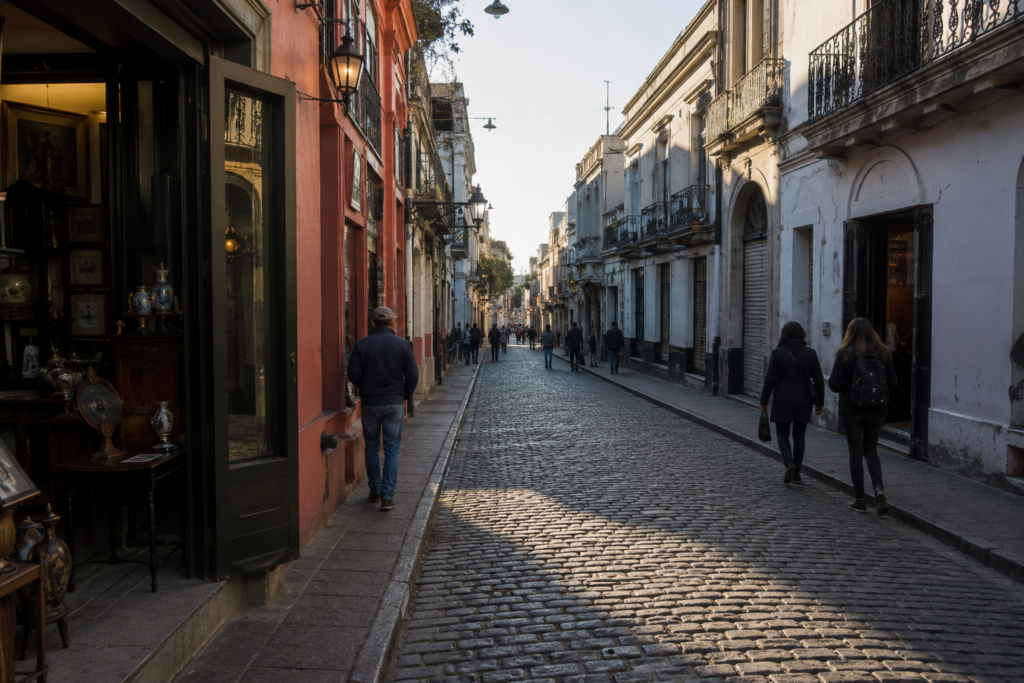
San Telmo is one of Buenos Aires’s oldest neighborhoods, with historic streets, antique shops and Plaza Dorrego’s Sunday fair. The Australian restaurant website sometimes linked under its name is not a guide to this district. Compare exact room addresses and current quotes rather than assuming San Telmo is always cheapest. Villa Crespo can also suit a longer stay, but a monthly rental needs a full comparison of fees, utilities and cancellation terms; there is no reliable rule that it costs half as much as Palermo. Consult current official safety advice and take care with belongings, including in tourist areas.
What a Realistic Buenos Aires Trip Actually Costs in 2026
List accommodation, meals, city journeys, airport transport and activities separately. A budget cannot both exclude accommodation and claim to cover hostels. Quote rooms per room per night and food or tickets per person, then convert peso costs using your actual payment rate. Parrilla menus, hostel beds and private rooms need current quotes; comparisons with New York steak prices do not establish a trip total. Keep higher-cost football tickets, tango shows and shopping outside the basic day allowance until you have confirmed them.
Getting Around: The SUBE Card
Check current Subte, bus and rail fares and payment options for the routes you will use. SUBE is a common option; official guidance confirms foreigners can obtain a card at authorized locations. Each traveler having their own card avoids transfer-discount and registration complications; check current SUBE conditions rather than assuming all sharing arrangements have the same rules. Rail journeys may require an exit tap. Price your airport transfer for the actual airport, arrival time, luggage and destination instead of relying on an old dollar range.
Football, Tango, and What’s Actually Free
Check the club’s official ticket channel and visitor eligibility before building a football match into your plan, particularly a high-demand rivalry fixture. Do not budget around an assumed ticket or buy from an unverified seller. San Telmo’s Sunday fair and Palermo park walks can fill a lower-cost day; street performances may be tip-supported and scheduled milongas or shows may charge. The Museo Nacional de Bellas Artes advertises free admission, with current opening and exhibition details to check. Sitting in a café generally requires a purchase, so it belongs in your meal or drink allowance.
Worked Buenos Aires Trip Budget
Use a single conversion rate for all comparable quotes. An illustrative converted solo day of US$50 room + US$6 breakfast + US$10 lunch + US$18 dinner + US$6 city transport + US$10 activities totals US$100, or US$1,400 over 14 identical days. These are allowances, not current peso rates or live prices. Two adults sharing the US$50 room would have a combined US$150 day, or US$2,100 over 14 days. Add flights, airport transfers, insurance and any higher-cost event tickets separately.
Essential Internal Resources
Before you finalize your Buenos Aires trip, these guides cover the planning layers around it:
- For timing flights around seasonal pricing: Finding Flights Off Peak Season
- For protecting your trip financially: Travel Insurance Comparison for Budget Trips
- For eating well without overspending: How to Save Money on Food While Traveling
- For the full trip-planning framework: How to Plan a Trip on a Budget
More Budget Guides
Combining Buenos Aires with a longer trip? These guides cover costs and planning for cities in the region and popular onward destinations:
Americas
New York · Chicago · Toronto · Mexico City
Popular from Buenos Aires
Madrid · Barcelona · Lisbon
Frequently Asked Questions
What is the blue dollar rate in Argentina?
It is a name for an informal dollar exchange market. Its relationship with other rates can change; compare current lawful payment options, fees and the amount you receive.
What’s the best neighborhood for budget travelers in Buenos Aires?
Choose by your itinerary and exact property. San Telmo suits historic-area walks; Villa Crespo, Palermo and Recoleta have different advantages. None guarantees the lowest price.
How much does a two-week Buenos Aires trip cost?
Add confirmed accommodation and individual daily expenses, then airport transfers and activities. The worked example below is illustrative, not a live quote or guaranteed two-week price.
Should I exchange money at the airport?
Compare the final amount and fees at authorized providers. An airport location is not enough to determine the best rate; avoid street changers and keep receipts.
Want More Free Travel Resources?
Explore more accommodation, food and transport planning resources at Par & Jah Travels.
Conclusion
Build a Buenos Aires budget from current peso quotes and the exchange terms your payment provider applies. Choose a room around your actual itinerary, check public transport options and confirm major activities before counting them into the total. A backup payment method and a reserve for price changes make the plan more useful than a blanket “best-value capital” claim.

Marsha Rowe is the Founder and Travel Strategist at Parandjah Travels. She uncovers high-intent travel intelligence, specializing in slow travel frameworks and sports event logistics.