

Tokyo on a budget runs on a different logic than most expensive-city guides assume. The weak yen has quietly made Tokyo cheaper than London, Paris, or New York for a comparable quality of experience, but the accommodation strategy that actually maximizes that advantage isn’t a hostel dorm—it’s a Japanese business hotel. If you’re planning your first trip and want the broader picture of neighborhoods, transportation, food, attractions, and seasonal planning, start with the complete Tokyo Travel Guide first. Here, I’m going deeper into the budget side: the real 2026 numbers, the neighborhoods where the business-hotel strategy works best, and exactly how to keep Tokyo affordable without sacrificing comfort.
| Neighborhood | Best For | Nightly Business Hotel Range | Vibe |
|---|---|---|---|
| Shinjuku | First-timers, nightlife access | ¥8,000-14,000 | Central, busy, well-connected |
| Asakusa | Traditional atmosphere, value | ¥6,000-11,000 | Older Tokyo, temple district |
| Ueno | Museums, budget balance | ¥6,500-12,000 | Cultural, park access |
| Ikebukuro | Lowest cost, still central | ¥5,500-10,000 | Local, less touristy |
Why the Yen Changed the Whole Budget Math
Exchange rates can materially change the cost of Tokyo in your home currency. Treat the dollar figures here as planning estimates, and convert the yen prices using your card provider’s rate and fees for your travel dates. A day covering solid accommodation, excellent food, transit, and activities runs roughly $59-95 for a genuine budget traveler, climbing to around $176-238 for a comfortable mid-range pace — both figures that undercut equivalent experiences in London, Paris, or New York by a meaningful margin. This isn’t a “if you’re willing to suffer” budget number either; it reflects real, comfortable travel, not backpacker deprivation.
Why Business Hotels Beat Hostels Here
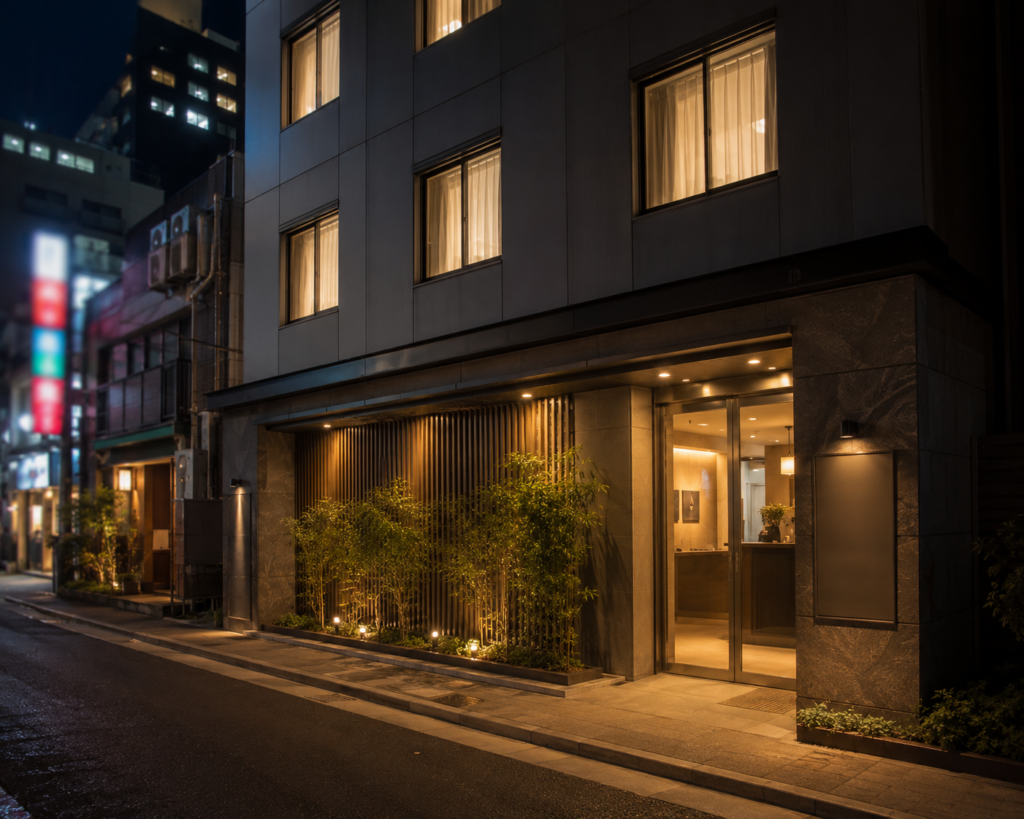
Most budget-city guides default to recommending hostels, but Tokyo is a genuine exception. Japanese business hotels — compact, efficient, spotlessly clean rooms designed originally for domestic corporate travelers — routinely run ¥6,000-12,000 a night for a private room with a real bathroom, which frequently undercuts or matches hostel private-room pricing elsewhere while delivering meaningfully better comfort and privacy. The rooms are small by Western standards, often 100-150 square feet, but they’re efficiently designed with everything you actually need, and Japan’s standard of cleanliness means “budget” here doesn’t come with the same compromises it does in a lot of cities. Capsule hotels remain a genuinely fun, even cheaper option if you want the novelty, but business hotels are the better default recommendation for most travelers.
The Four Neighborhoods Worth Knowing
Shinjuku
The most central, best-connected option, with the widest range of business hotels and direct access to Tokyo’s rail network. Expect ¥8,000-14,000 a night, on the higher end of this list, but justified by convenience for a first Tokyo trip.
Asakusa
Home to Senso-ji Temple and the most traditional atmosphere on this list, Asakusa offers noticeably lower rates, ¥6,000-11,000, while still sitting on a direct train line into central Tokyo.
Ueno
The pick for museum-focused trips, sitting right next to Ueno Park and its cluster of major museums, with rates in a similar ¥6,500-12,000 range and strong rail connectivity.
Ikebukuro
The lowest average rates on this list, ¥5,500-10,000, in a genuinely local, less tourist-saturated part of the city that still connects directly into central Tokyo via multiple rail lines.
The Convenience Store Economy
Convenience stores in Japan, particularly 7-Eleven, Lawson, and FamilyMart, operate on a completely different quality tier than their Western equivalents, and leaning on them is a legitimate budget strategy, not a compromise. Fresh onigiri, sandwiches, and prepared meals typically run ¥300-600, and the quality genuinely holds up against a mid-range restaurant meal. Pairing convenience store breakfasts and lunches with one proper restaurant meal per day, whether that’s a ¥800 bowl of ramen or a mid-range sushi counter, is how experienced budget travelers stretch a Tokyo food budget without sacrificing the food experience Tokyo is famous for.
Transit: The 72-Hour Pass Math
The adult Tokyo Subway 72-Hour Ticket currently costs ¥2,000 and covers Tokyo Metro and Toei Subway for 72 hours from first use, within its validity period. That averages about ¥667 per 24 hours if you use the full period. Compare the fares for your planned subway journeys with the pass price rather than assuming it always saves money. Its stated coverage is Metro and Toei Subway, so budget separately for other operators and airport transfers. For Narita arrivals, compare the Keisei Skyliner with other airport routes for your actual hotel location.
Essential Internal Resources
Before you lock in your Tokyo trip, these guides cover the planning layers around it:
- For timing flights around seasonal pricing: Finding Flights Off Peak Season
- For protecting your trip financially: Travel Insurance Comparison for Budget Trips
- For eating well without overspending: How to Save Money on Food While Traveling
- For the full trip-planning framework: How to Plan a Trip on a Budget
More Asia-Pacific Budget Guides
Combining Tokyo with a longer trip through the region? These guides cover costs and planning for other Asia-Pacific cities:
Seoul · Bangkok · Singapore · Sydney
Frequently Asked Questions
Is Tokyo actually cheap right now?
Tokyo can offer good value, especially with a modest business hotel and inexpensive meals. Compare yen prices and your payment provider’s exchange rate for your own dates; exchange rates and hotel demand can change the result.
Are business hotels really better than hostels in Tokyo?
For most travelers, yes. Business hotels often match hostel private-room pricing while offering better privacy, comfort, and Japan’s exceptionally high cleanliness standard.
How much should I budget per day in Tokyo?
Roughly $59-95 per day for a comfortable budget pace, or $176-238 for mid-range comfort, covering accommodation, food, transit, and activities.
Is convenience store food actually good in Tokyo?
Genuinely, yes. Japanese convenience store food operates on a different quality tier than Western equivalents and is a legitimate part of a smart food budget, not just a fallback.
Want More Free Travel Resources?
Grab the free 2026 Travel Dupes Cheat Sheet for workarounds on stretching your Tokyo budget across accommodation, food, and transit passes. Subscribe at the top of parandjahtravels.com to download it instantly.
Conclusion
Tokyo on a budget in 2026 looks different than it did a decade ago, and the weak yen is the reason why. A well-chosen business hotel in Ikebukuro or Asakusa, a 72-hour transit pass, and a convenience-store-plus-one-good-meal food strategy adds up to a genuinely comfortable trip at a price that now undercuts most major Western cities. This isn’t the compromise-heavy budget Tokyo of years past — it’s simply the smart way to travel here right now.

Marsha Rowe is the Founder and Travel Strategist at Parandjah Travels. She uncovers high-intent travel intelligence, specializing in slow travel frameworks and sports event logistics.