
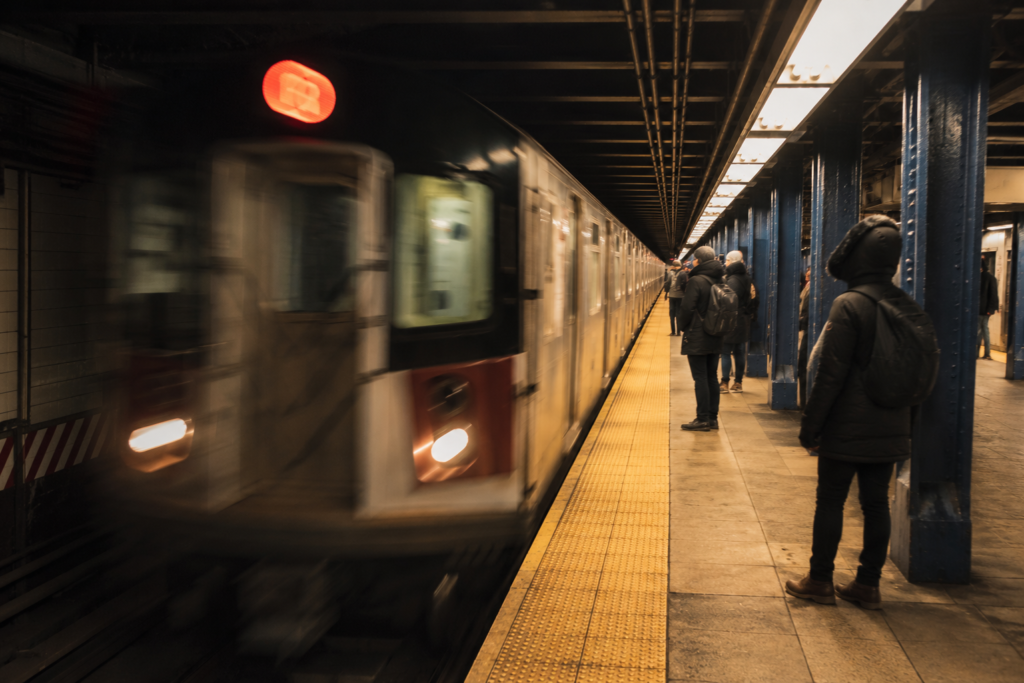
New York on a budget comes down to one decision most first-timers get wrong: they book a cramped, overpriced room in Manhattan because it feels safer to stay “in the city,” then wonder why their trip budget evaporated before day three. I’ve pulled together what actually works — which outer boroughs genuinely save you money without costing you convenience, and what this trip realistically costs in 2026, not the inflated “under $100 a day” numbers some guides still recycle.
| Area | Nightly Hotel Range | Subway Time to Midtown | Best For |
|---|---|---|---|
| Long Island City, Queens | $140-220 | 10-15 min | Best overall value, fastest access |
| Astoria, Queens | $110-180 | 20-25 min | Food scene, quieter nights |
| Flushing, Queens | $90-150 | 35-40 min | Lowest cost, longest commute |
| Bay Ridge, Brooklyn | $100-170 | Longer R-train journey; check your route | Local feel, waterfront views |
| Midtown Manhattan | $200-350+ | — | Convenience only, worst value |
Why Manhattan Is the Expensive Mistake, Not the Safe Choice

Manhattan hotel rooms average $175 a night off-season and climb to roughly $327 in peak season, with prices ranging as high as $593 depending on neighborhood and dates. That premium buys you almost nothing beyond a shorter walk to attractions you’ll be visiting anyway by subway. New York’s transit system is genuinely excellent, which is exactly why the “stay central” advice doesn’t hold up the way it might in a city with weaker public transport. A room in Long Island City costs measurably less and puts you 10-15 minutes from Midtown on the 7 train, which is a shorter commute than plenty of Manhattan neighborhoods have to Times Square.
The Outer Boroughs That Actually Work
Long Island City, Queens
This is the strongest overall value play. LIC has seen heavy hotel development in the past several years specifically because of its 7 train and E/M/G line access, and it sits directly across the East River from Manhattan with skyline views most Midtown hotels can’t match. Expect $140-220 a night for a genuinely comfortable room, versus $250+ for the equivalent quality across the river.
Astoria, Queens
Astoria trades a slightly longer commute (20-25 minutes via N/W train) for one of the best food scenes in the city, driven by its Greek, Middle Eastern, and Balkan communities. It’s noticeably quieter at night than Manhattan without feeling remote, and it’s a strong pick if you want your evenings to feel like a neighborhood rather than a tourist zone.
Flushing, Queens
Flushing is the lowest-cost option on this list, with rooms regularly available in the $90-150 range, but the tradeoff is real: 35-40 minutes to Midtown via the 7 train. It makes sense if your budget is genuinely tight and you don’t mind a longer ride, and it has its own major draw in one of the best concentrations of authentic Chinese and other East Asian cuisine in the country.
Bay Ridge, Brooklyn
Bay Ridge offers a similar value proposition to Astoria — local character, waterfront views of the Verrazzano-Narrows Bridge, and noticeably lower rates than central Brooklyn neighborhoods like Williamsburg — with a longer R-train journey to Midtown than Long Island City. Check the door-to-door route for your hotel and travel time; station walks, transfers and weekend work can add to the journey.
What This Trip Actually Costs in 2026
Budget travelers independently managing their own trip should plan for roughly $131 a day per person, covering hostels or budget hotels, affordable meals, local transit, and activities. Mid-range travelers should budget closer to $363 a day for typical hotels, standard restaurants, and a mix of paid attractions. Treat these as planning estimates rather than guaranteed averages. Build the budget from your actual accommodation quote, food allowance, transport and chosen admissions. Hotel taxes and fees, taxable purchases and restaurant tips apply differently; a blanket 15–30% uplift on every expense is misleading. Check the final hotel total and whether restaurant gratuity is already included, then add a separate contingency. See the City’s hotel tax guidance for the charges shown on accommodation bills.
Food: Where the Real Savings Are
Food is where an outer-borough strategy compounds its savings. Astoria and Flushing both offer significantly cheaper, often better, food than equivalent Manhattan tourist-zone restaurants, since you’re eating where actual New Yorkers eat rather than where foot traffic from Times Square supports inflated pricing. A NYC classic slice of pizza, a bagel with cream cheese, or a halal cart plate all remain genuinely cheap staples across the boroughs, typically $3-8, and can anchor a food budget without sacrificing the New York food experience tourists actually come for.
Getting Around Without Overspending
The current base subway and local bus fare is $3 with OMNY. Using the same card or mobile device for every eligible ride caps subway and local bus spending at $35 within a seven-day period starting with your first tap; further eligible rides are free for the rest of that period. You pay only for the journeys you take if you do not reach the cap. Do not switch between a physical card and its mobile wallet version, because their counts are separate. Check the official OMNY fare cap rules rather than planning around the old $34 unlimited MetroCard. Check service alerts and your actual hotel route, especially late at night and on weekends.
Essential Internal Resources
Before you lock in your New York trip, these guides cover the planning layers around it:
- For timing flights around New York’s seasonal pricing swings: Finding Flights Off Peak Season
- For protecting your trip financially: Travel Insurance Comparison for Budget Trips
- For eating well without overspending once you land: How to Save Money on Food While Traveling
- For the full trip-planning framework: How to Plan a Trip on a Budget
More Budget Guides
Combining New York with a longer trip? These guides cover costs and planning for cities in the region and popular transatlantic pairings:
Americas
Chicago · Toronto · Mexico City · Buenos Aires
Popular from New York
Dublin · Lisbon · Paris
Frequently Asked Questions
What’s the cheapest borough to stay in for visiting New York?
Flushing, Queens generally offers the lowest hotel rates, though it comes with a 35-40 minute subway ride into Midtown. Long Island City offers the best overall value once you factor in the shorter, 10-15 minute commute.
How much does a week in New York actually cost in 2026?
The daily planning figures of $131 and $363 imply $917 and $2,541 per person for seven days, before flights. Build your own total from the final room quote, meals, transit and attractions; account for applicable taxes, fees and tips separately rather than adding one percentage to every cost.
Is it worth staying outside Manhattan to save money?
It depends on your dates, hotel and itinerary. Compare final room prices and door-to-door journeys, including walking, transfers, service changes and fares, with Manhattan options.
How does OMNY save money on a short trip?
OMNY caps eligible subway and local bus fares at $35 within seven days starting with your first tap, when you use the same card or device. The base fare is $3; if you ride less, you pay only for the trips you take.
Want More Free Travel Resources?
Grab the free 2026 Travel Dupes Cheat Sheet for workarounds on stretching your New York budget across lodging, food, and transit without sacrificing the parts of the trip that actually matter. Subscribe at the top of parandjahtravels.com to download it instantly.
Conclusion
New York on a budget isn’t about cutting corners, it’s about recognizing that the subway makes “central” a much bigger radius than Manhattan alone. Long Island City gets you the best overall balance of cost and convenience, Astoria and Bay Ridge trade a few extra transit minutes for real neighborhood character, and Flushing delivers the lowest prices if your budget is the deciding factor. Wherever you land, budget realistically for New York’s tax and tipping culture, lean on the subway instead of cabs, and eat where the outer boroughs actually eat.

Marsha Rowe is the Founder and Travel Strategist at Parandjah Travels. She uncovers high-intent travel intelligence, specializing in slow travel frameworks and sports event logistics.