
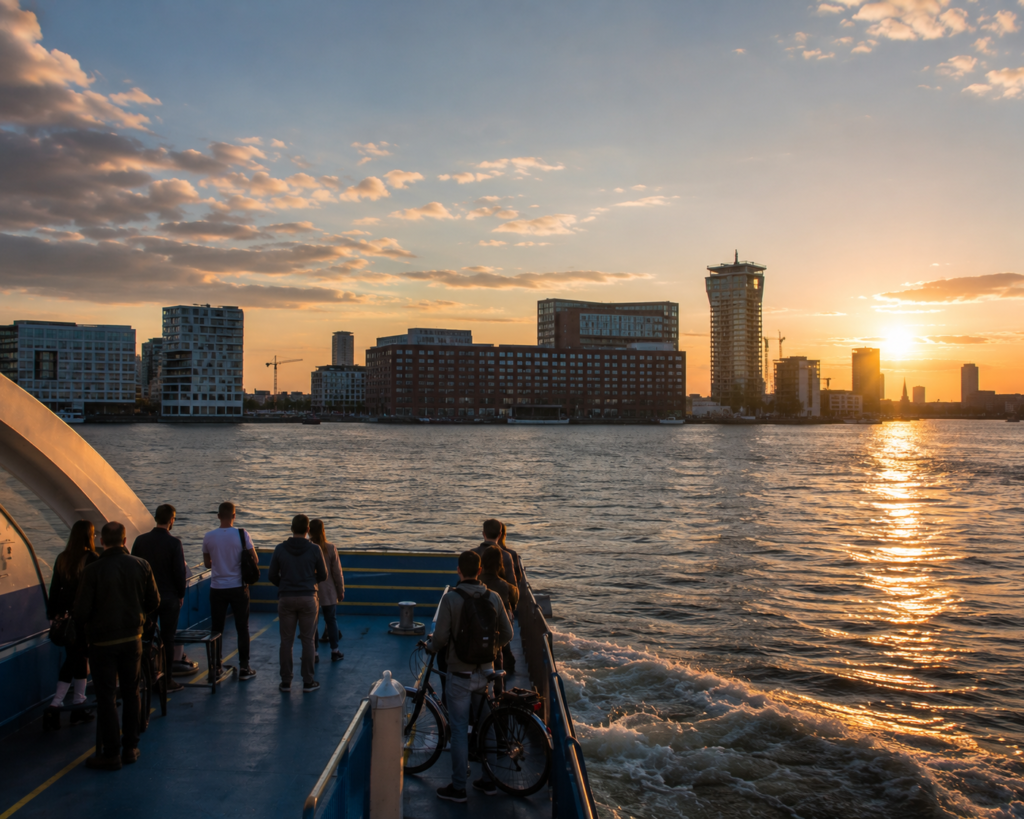
Amsterdam on a budget comes down to a choice between two genuinely different neighborhoods, and most guides don’t explain the actual tradeoff clearly: De Pijp or Amsterdam Noord. I’ve broken down what each delivers, what a realistic 2026 Amsterdam budget actually looks like, and the free ferry that makes Noord a legitimate option rather than a compromise.
| Neighborhood | Nightly Rate Range | Vibe | Getting to Center |
|---|---|---|---|
| De Pijp | €80-150 | Multicultural, market-driven, lively | 20 min by tram |
| Amsterdam Noord | €70-140 | Green, creative, industrial-chic | Free ferry; add travel to/from landing |
| Jordaan | €150-250 | Atmospheric, canal-side, central | 10-15 min walk |
| Canal Ring | €250-400+ | Historic, premium, postcard views | Walkable |
Why De Pijp Wins on Convenience, and Noord Wins on Character
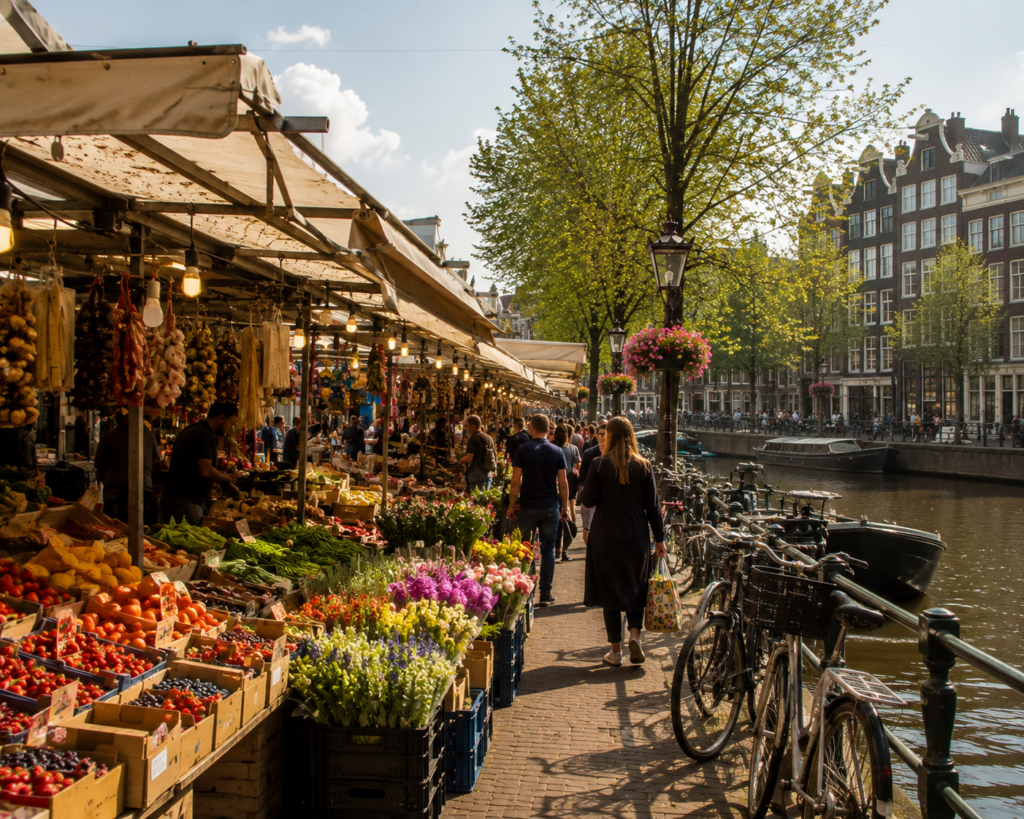
De Pijp, nicknamed “The Pipe,” is a former working-class district turned genuinely multicultural neighborhood, anchored by the Albert Cuyp Market, Amsterdam’s largest street market. Budget accommodation here runs €80-150 a night, and the tram connection into the center takes roughly 20 minutes, longer than staying centrally but with real savings and a neighborhood that doesn’t feel built for tourists. Amsterdam Noord, across the IJ river, takes a completely different approach: the free F3 ferry between Centraal Station and Buiksloterweg runs day and night. Your total trip also depends on how far your accommodation is from the ferry landing; Noord is a large district, so check the full walking or transit route. Noord itself has transformed from an industrial district into a creative, green, genuinely distinct part of the city, with converted warehouse hostels and noticeably lower rates than the city center for a very different, quieter experience than De Pijp’s market-driven energy.
The Free Ferry That Changes the Math
The GVB IJ ferries are free for pedestrians and cyclists. The F3 route between Centraal Station and Buiksloterweg runs day and night; other routes have their own schedules. A free crossing does not mean every Noord hotel is a few minutes from the centre: include the walk or paid bus/metro journey to the landing when comparing locations. Check the actual ferry route and departure times for your accommodation.
What a Realistic Amsterdam Trip Actually Costs in 2026
Amsterdam isn’t a cheap European capital, and pretending otherwise does budget travelers a disservice. Central canal-ring hotels start around €250-400 a night, which is exactly why neighborhood choice matters here more than in cheaper cities. Jordaan splits the difference at €150-250, offering genuine atmosphere and a 10-15 minute walk to major sights like the Anne Frank House, while De Pijp and Noord both deliver real budget relief without pushing you into a soulless suburb. Food-wise, eating at Albert Cuyp Market stalls or a local eetcafe rather than canal-side tourist restaurants is the single biggest lever for keeping a daily food budget reasonable.
The Transit Pass Worth Buying
The 2026 GVB day ticket costs €10 for 24 hours; 48 hours cost €16 and 72 hours €21.50. It covers GVB trams, buses and metro, including night buses, but not NS trains or other operators such as EBS and Connexxion. Compare your planned journeys with pay-as-you-go costs before buying. GVB offers tickets through its app and other sales channels; you do not need to buy a new anonymous OV-chipkaart. Check the current payment options and ticket activation instructions.
Amsterdam Is a Walking and Cycling City First
Amsterdam is flat, compact, and genuinely walkable, and cycling can be useful, but compare the full rental charge, deposit, lock and insurance terms before treating it as the cheapest option. Many attractions sit within comfortable walking distance of each other regardless of which neighborhood you base yourself in, which somewhat reduces how much neighborhood choice affects your day-to-day transit costs, even if it still matters significantly for your nightly accommodation rate.
Essential Internal Resources
Before you finalize your Amsterdam trip, these guides cover the planning layers around it:
- For timing flights around seasonal pricing: Finding Flights Off Peak Season
- For protecting your trip financially: Travel Insurance Comparison for Budget Trips
- For eating well without overspending: How to Save Money on Food While Traveling
- For the full trip-planning framework: How to Plan a Trip on a Budget
More European Budget Guides
Combining Amsterdam with a longer European trip? These guides cover costs and planning for other cities in the region:
Paris · Madrid · Rome · Barcelona · Prague · Berlin · Lisbon · Vienna · Budapest · Milan · Dublin · Istanbul
Frequently Asked Questions
Is De Pijp or Amsterdam Noord better for a budget trip?
Compare current total quotes for your dates and room type; savings are not guaranteed. De Pijp has markets and cafés, while Noord offers a quieter base connected by free IJ ferries. Include the journey to and from your accommodation.
How much does the ferry to Amsterdam Noord cost?
GVB IJ ferry crossings are free for pedestrians and cyclists. F3 between Centraal Station and Buiksloterweg runs day and night. Check other routes separately and include any paid transport between your hotel and the ferry.
What’s the best transit pass for a short Amsterdam trip?
The 2026 GVB 24-hour ticket costs €10, with 48-hour and 72-hour options at €16 and €21.50. It covers GVB services, not NS or other operators. Compare it with pay-as-you-go costs for your actual itinerary.
Is Amsterdam walkable, or do I need to rely on transit?
Very walkable and cycling-friendly. The city is flat and compact, and many attractions sit within comfortable walking or biking distance regardless of which neighborhood you choose.
Want More Free Travel Resources?
Grab the free 2026 Travel Dupes Cheat Sheet for workarounds on stacking neighborhood savings with the right transit pass to stretch your Amsterdam budget further. Subscribe at the top of parandjahtravels.com to download it instantly.
Conclusion
Amsterdam on a budget isn’t really about finding a hidden cheap corner of an expensive city, it’s about picking between two genuinely good, genuinely different options: De Pijp’s market energy or Noord’s quieter, ferry-connected creative district. Either one delivers real savings over the canal ring and Jordaan without sacrificing an authentic Amsterdam experience, and pairing that choice with a GVB pass and a willingness to walk or bike covers most of what actually drives an Amsterdam budget up or down.

Marsha Rowe is the Founder and Travel Strategist at Parandjah Travels. She uncovers high-intent travel intelligence, specializing in slow travel frameworks and sports event logistics.