
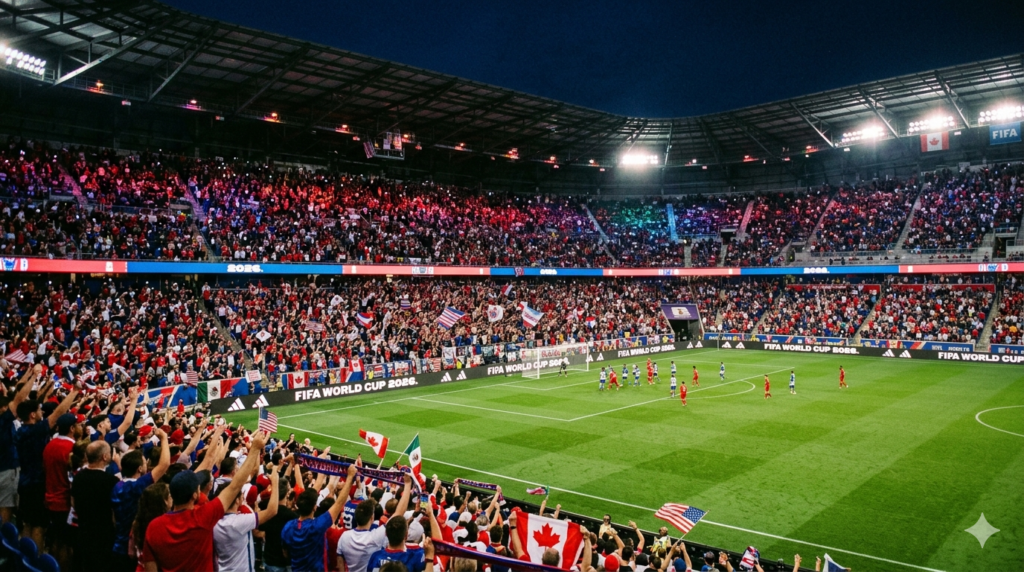
The FIFA World Cup 2026 concluded on 19 July 2026. This page is now an archive explaining the tournament’s format and how to consult its official records. It no longer presents June group standings as live updates. For match scores, final tables, highlights and disciplinary details, use FIFA’s tournament archive rather than an old news summary.
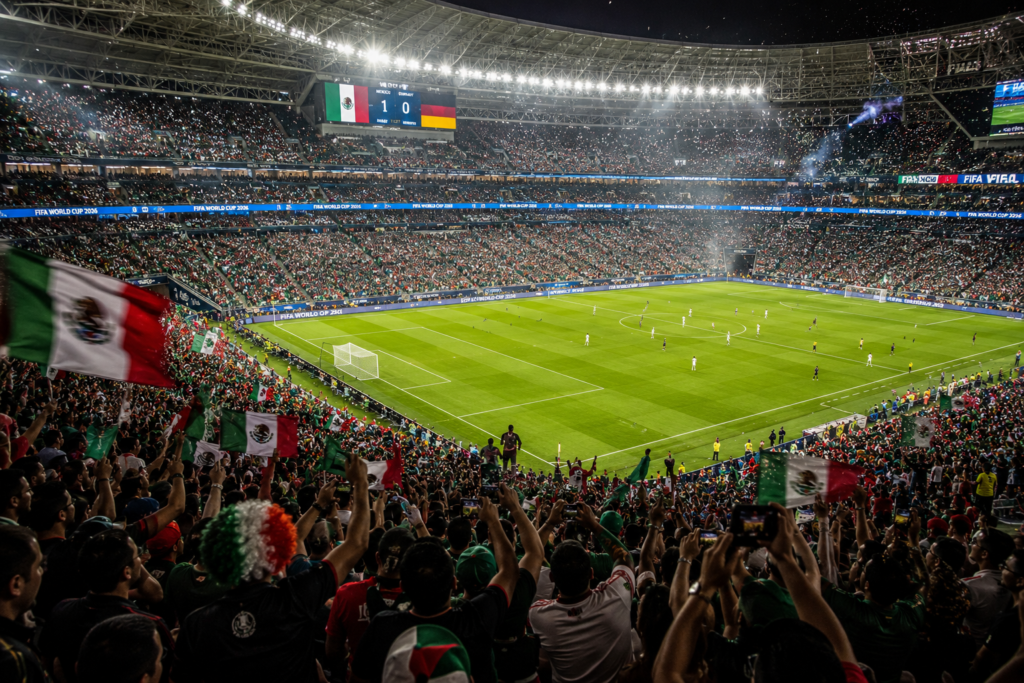
The expanded tournament format
The 2026 competition featured 48 teams, 12 groups of four and 104 matches. Each team played three group matches. The top two teams in each group advanced, joined by the eight best third-place teams. That produced 32 knockout teams, not two. The expansion added a round of 32 before the round of 16, quarterfinals, semifinals and final.
The historical timetable
The opening date was 11 June 2026. Group play ended on 27 June and the round of 32 began on 28 June. The final was held on 19 July at New York New Jersey Stadium in East Rutherford, New Jersey. These dates describe a completed event; they are not upcoming booking deadlines or a reason to purchase tickets now.
Read group tables and tie-breakers in context
A table from the middle of group play is not the final qualification outcome. Check the date of any summary and use the competition regulations for the exact tie-breaker order. Ranking third-place teams across groups is a different calculation from resolving a tie inside one group. Do not infer a team’s final place from points alone or carry a rule from another tournament into this one.
Use official records for scores and highlights
Start with FIFA’s 2026 tournament page and its results schedule. Check the match, stage, venue and local date before sharing a score. Archived broadcast times and fixtures can appear alongside results, so distinguish a scheduled match from a completed one. This page does not reproduce unverified live scores, player-campaign claims or predicted ceremony lineups.
Understand host names and venue addresses
The event took place across Canada, Mexico and the United States. A host-city label does not necessarily mean the stadium sits in that city’s centre. For a later visit to a former World Cup venue, use its current address, event calendar and transport instructions. Tournament branding, temporary facilities and match-only shuttle services may no longer be in use.
Separate event history from future travel advice
A 2026 ticket did not confer entry permission to any host country. For future North American trips, check immigration requirements separately for your passport and travel method. Historic fan-festival locations, security rules and visa-appointment schemes should not be assumed current. A travel booking should follow the event you actually plan to attend, not an archived page’s live-sounding headline.
Weather planning depends on the actual trip
For a future stadium visit, check the local forecast, shade or indoor conditions, permitted water and the current venue policy. Do not treat an old climate-risk ranking as a prediction for your event day. Plan suitable clothing, practical rest breaks and a return route. Follow the organiser’s current safety instructions and public-health guidance appropriate to your circumstances.
Keep a reliable personal event record
If you are revisiting a 2026 trip, retain original booking confirmations and match details separately from online summaries. Those records help with outstanding seller questions and clarify what you purchased. For a future event, save the current terms, ticket delivery instructions and cancellation deadlines. A saved article is a planning aid, not proof of an entitlement or refund.
Related travel planning
FIFA’s 2026 tournament archive and official format explanation provide the event record. Our travel planning archive covers logistics lessons.
Frequently Asked Questions
How many teams qualified for the 2026 knockout stage?
Thirty-two teams advanced: the top two from each of the 12 groups, plus the eight best third-place teams.
When did the 2026 group stage end and knockout stage begin?
Group play ended on 27 June 2026 and the round of 32 began on 28 June. The tournament concluded on 19 July 2026.
Which World Cup host cities have the highest heat risk for fans?
This archive does not establish a current city-by-city heat-risk ranking. For a future visit, check the local forecast, venue conditions and current safety guidance.
Where can I find official final results for the 2026 World Cup?
The 2026 competition is over. Use FIFA’s official tournament archive and results schedule for final records; this page does not provide live standings.
Conclusion
Use this archive for the format and historical timetable, and FIFA’s official records for match outcomes. For future events, verify the schedule and travel rules anew before booking.

Marsha Rowe is the Founder and Travel Strategist at Parandjah Travels. She uncovers high-intent travel intelligence, specializing in slow travel frameworks and sports event logistics.