
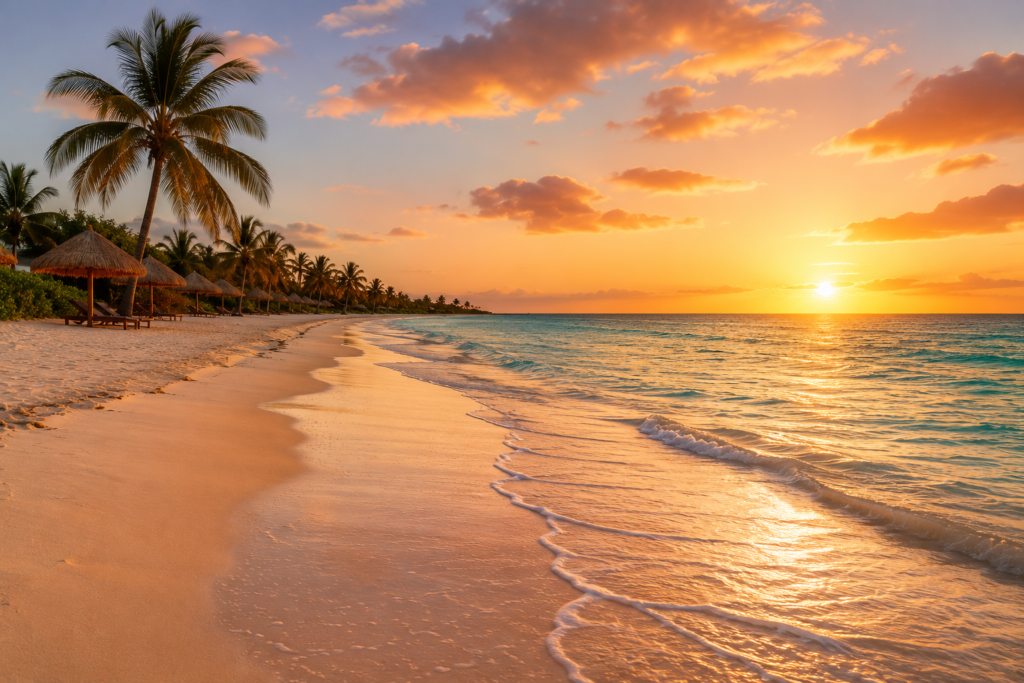
This Cape Verde travel guide covers what you actually need before booking: which of the ten islands to pick, what it costs, the visa process, and the best time to go. I’ve pulled this together from current entry requirements and on-the-ground reporting rather than recycled listicle facts, since a lot of what’s floating around online about this archipelago is outdated. And if the name only sounds familiar to you recently, there’s a reason: Cape Verde’s national football team, nicknamed the Blue Sharks, qualified for their first-ever World Cup this year and pulled off a scoreless draw against Spain and a comeback tie with Uruguay. In the knockout round, they pushed defending champions Argentina to the brink, taking Lionel Messi’s side all the way to extra time before finally losing 3-2 in a match that briefly threatened to become the biggest upset in World Cup history. Their 40-year-old goalkeeper became a breakout star of the tournament in the process, repeatedly denying Messi’s attempts on goal. That run turned a country most people couldn’t place on a map into one of the tournament’s most talked-about stories.
| Island | Known For | Best For |
|---|---|---|
| Sal | Santa Maria beach, kitesurfing, most resorts | First-timers, beach holidays |
| Boa Vista | Santa Monica beach, sea turtles, quieter | Escaping crowds, wildlife |
| Santiago | Capital Praia, Cidade Velha (UNESCO) | Culture, authentic local life |
| São Vicente | Mindelo, morna music, Carnival | Music, nightlife, festivals |
| Santo Antão | Terraced volcanic valleys, hiking | Hikers, dramatic scenery |
| Fogo | Active Pico do Fogo volcano | Adventure, volcano trekking |
Where Cape Verde Actually Is, and Why the Name Sounds Familiar
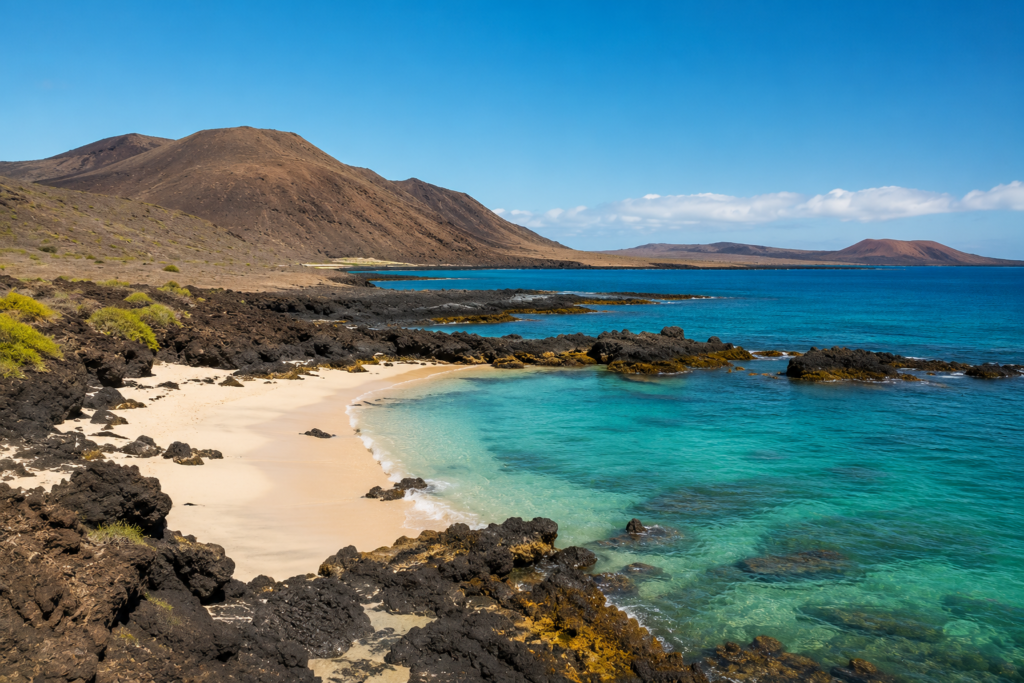
Cape Verde, officially the Republic of Cabo Verde, is a ten-island volcanic archipelago sitting roughly 570 kilometers off the coast of Senegal in the Atlantic Ocean, making it Africa’s westernmost point. It was uninhabited until Portuguese sailors arrived in the 1460s, later became a hub in the Atlantic slave trade, and gained independence in 1975. Today it’s one of Africa’s most stable democracies, and the tourism boom following its World Cup run has only accelerated interest that was already building thanks to new direct flight routes from Europe. Nine of the ten islands are inhabited, spread across roughly 385 miles of ocean, and each one genuinely offers a different trip rather than a variation on the same beach experience.
The 10 Islands, and Which Ones Actually Matter for Your Trip
You don’t need to visit all ten. Most trips genuinely boil down to two categories: Sal and Boa Vista for a fly-and-flop resort holiday, or literally anywhere else for something with more texture.
Sal
Sal is where most first-time visitors land, largely because it has the country’s busiest international airport and the most developed resort infrastructure. The town of Santa Maria has an 8-kilometer stretch of white sand and warm, shallow water, and consistent wind makes it one of the best kitesurfing and windsurfing spots in the region, especially between December and February.
Boa Vista
Boa Vista is Sal’s quieter neighbor, known for Santa Monica Beach, one of the longest and most photogenic stretches of sand in the country. It’s also a major nesting site for loggerhead turtles, with nesting season running July through October and August considered peak viewing time.
Santiago
Santiago is home to the capital, Praia, and is generally considered the most authentically Cape Verdean of the islands, since it’s less built around tourism. The real highlight is Cidade Velha, a UNESCO World Heritage Site and the first European colonial settlement in the tropics, roughly a short trip from Praia itself.
São Vicente
São Vicente, and specifically its main town Mindelo, is the cultural heart of the country. It’s the birthplace of morna, the melancholic musical genre that produced Cesária Évora, Cape Verde’s most famous musical export, and it hosts one of Africa’s most celebrated Carnival celebrations each February.
Santo Antão
Santo Antão is consistently the pick for hikers, with terraced volcanic valleys and dramatically jagged peaks. The wet season, despite its name, is actually when this island looks its best, since the rain turns the terrain vividly green.
Fogo
Fogo is the volcano island, centered on Pico do Fogo, which last erupted in 2014 and remains active. It’s the pick for anyone who wants an actual adventure activity built into their trip, including guided treks up and around the crater.
Cape Verde Visa and Entry Requirements
Requirements vary by nationality, so treat this as a starting point rather than the final word. Citizens of ECOWAS countries travel visa-free. EU citizens have had visa-free access for stays up to 30 days since 2019, and US and UK citizens can also enter visa-free for stays up to 30 days. The catch that trips people up: most visitors, regardless of visa status, still need to complete an online pre-registration through Cape Verde’s EASE (Electronic Authorization System for Entry) platform before arrival, along with paying an airport security fee, ideally at least five days ahead of travel. For nationalities that do require a visa, it can typically be obtained on arrival for around 25 to 31 euros, payable by cash or card. Your passport should be valid for at least six months beyond your planned departure date, and since rules do shift, it’s worth checking Cape Verde’s official EASE registration platform directly before you book anything else.
When to Visit: Dry Season vs. Wet Season
Cape Verde has a tropical climate that stays warm year-round, generally between 24°C and 30°C, so there’s no genuinely bad time to go, just different tradeoffs. The dry season runs roughly November through July, with December through April considered peak conditions: clear skies, minimal rain, and the best window for beach time and water sports. Wind picks up between December and February specifically, which is when kitesurfers and windsurfers descend on Sal. The wet season, August through October, brings brief but intense rainfall rather than an all-day washout, and it’s actually the best time to visit Santo Antão, since the rain turns its valleys a vivid green that the dry season simply can’t match. Ocean temperatures stay swimmable year-round regardless, ranging from about 22°C in winter to 26°C in summer.
What Cape Verde Actually Costs
Cape Verde isn’t a budget destination in the way some West African travel might suggest. Price-wise, it compares more closely to southern Europe, similar to Spain or Portugal, than to its mainland African neighbors. Round-trip flights from Europe typically start around 200 euros, though flights from North America can run 400 to 1,000 US dollars depending on season. Inter-island flights add another 50 to 100 euros per hop. For a mid-range trip, budget roughly 800 to 1,500 euros per week excluding international flights. Daily food costs break down fairly predictably: street food runs 3 to 7 euros, mid-range restaurants 10 to 15 euros, and upscale dining 20 euros and up. Taxis aren’t metered, so agree on a price before you get in, and don’t expect a great hotel room at a rock-bottom price, since accommodation genuinely reflects the higher cost baseline here.
Money and Currency
The local currency is the Cape Verdean Escudo (CVE), pegged at a fixed rate to the euro, roughly 110 CVE per euro, which makes budgeting refreshingly predictable if you’re coming from Europe. One important quirk: the Escudo is a closed currency, meaning it can only be obtained within Cape Verde and can’t legally be taken out of the country, so don’t over-exchange before you leave. Cards are widely accepted in hotels and tourist-facing restaurants on Sal, Santiago, and São Vicente, but local guesthouses, markets, and transport generally require cash. ATMs are reliable in Praia and Mindelo, less so on smaller islands, so stock up on cash before heading somewhere remote.
Food and Culture: What You’re Actually Eating and Hearing
The national dish is cachupa, a slow-cooked stew of corn, beans, and vegetables, with a “rica” (rich) version that adds meat or fish. Being surrounded by the Atlantic means excellent, affordable seafood is everywhere, particularly tuna, grouper, and lobster, often served simply grilled. To drink, try grogue, a fiery local sugarcane rum that’s as much a cultural institution as a beverage. Culturally, Cape Verde is a genuine blend: Portuguese is the official language, but Cape Verdean Creole (Kriolu) is what people actually speak day to day, and the culture itself mixes deep African roots with Portuguese colonial history and a notable Brazilian influence, most visible in Carnival and in morna, the melancholic musical genre that defines the country’s identity abroad.
Getting Around Between Islands
There are no bridges connecting Cape Verde’s islands, so you’re relying entirely on planes or ferries. Cabo Verde Airlines is currently the sole domestic operator, after other carriers serving inter-island routes ceased operations, so book domestic flights well in advance rather than assuming last-minute availability. Ferries connect some islands, weather permitting, but schedules aren’t always tightly synchronized, and it’s genuinely possible for an island to become briefly inaccessible due to weather. If you’re not on a fully organized tour, build slack into your itinerary rather than a tight island-hopping schedule, since minor disruptions are a normal part of getting around here.
Is Cape Verde Safe?
Cape Verde is widely considered one of the more stable, low-crime destinations in West Africa, with violent crime against tourists genuinely rare. As with most beach destinations, petty theft can occur in busy resort areas, so standard precautions apply: don’t leave valuables unattended, and stay aware in crowded tourist zones. Overall, this is a destination where the main safety consideration is weather-related travel disruption between islands, not personal security.
Essential Internal Resources
Before you book, these guides cover the planning layers that apply to a trip like this:
- For eating well without overspending once you land: How to Save Money on Food While Traveling
- For protecting your trip financially given the inter-island weather risk: Travel Insurance Comparison for Budget Trips
- For timing flights around the higher-cost peak season: Finding Flights Off Peak Season
- For the full trip-planning framework: How to Plan a Trip on a Budget
Master Your Destination: City Budget Guides
Combining Cape Verde with a longer trip elsewhere? Here’s our full lineup of city budget guides, grouped by region.
Americas New York · Chicago · Toronto · Mexico City · Buenos Aires
Europe Paris · Madrid · Rome · Barcelona · Prague · Berlin · Amsterdam · Lisbon · Vienna · Budapest · Milan · Dublin · Istanbul
Asia-Pacific Tokyo · Bangkok · Seoul · Sydney · Singapore
Africa Cape Town
Frequently Asked Questions
Do I need a visa to visit Cape Verde?
It depends on your nationality. ECOWAS citizens travel visa-free, EU/US/UK citizens can enter visa-free for stays up to 30 days, and most other nationalities can get a visa on arrival for roughly 25-31 euros. Nearly everyone still needs to complete online EASE pre-registration before arrival.
What is the best time to visit Cape Verde?
December through April is peak dry season with the most reliable weather. December through February adds strong wind, ideal for kitesurfing. August through October is wet season, brief but intense rain, and actually the best window for hiking Santo Antão’s valleys.
Which Cape Verde island should I visit first?
Sal, if you want a straightforward beach resort trip with the most flight options. Santiago, if you’d rather start with culture and the capital. Most repeat visitors combine two or three islands rather than sticking to just one.
Is Cape Verde expensive to visit?
More than you might expect for West Africa — pricing is closer to Spain or Portugal than to mainland African destinations. Budget roughly 800-1,500 euros per week for a mid-range trip, excluding international flights.
What currency does Cape Verde use?
The Cape Verdean Escudo (CVE), pegged at a fixed rate to the euro. It’s a closed currency, meaning it can’t be obtained or exchanged outside the country.
Want More Free Travel Resources?
Grab the free 2026 Travel Dupes Cheat Sheet for workarounds on timing flights around Cape Verde’s higher-cost peak season and stretching your budget across island-hopping costs. Subscribe at the top of parandjahtravels.com to download it instantly.
Conclusion
Cape Verde rewards a bit of extra planning precisely because it isn’t a single, uniform destination. Pick Sal or Boa Vista if a straightforward beach holiday is the goal, but don’t stop there if you have the time, since Santiago, São Vicente, Santo Antão, and Fogo each offer something a resort strip simply can’t. Sort your EASE registration and passport validity early, budget closer to a Southern European trip than a bargain one, and build slack into any inter-island travel plans. Whether it’s the volcanic hikes, the morna drifting out of a Mindelo bar, or just the fact that half the world just learned this country exists thanks to its football team, Cape Verde is very much having a moment worth catching in person.

Marsha Rowe is the Founder and Travel Strategist at Parandjah Travels. She uncovers high-intent travel intelligence, specializing in slow travel frameworks and sports event logistics.