

This Cape Verde travel guide helps you choose an island, check entry requirements and compare the full cost of a trip. Cabo Verde’s islands offer different routes and experiences, so a beach holiday and a hiking itinerary require different planning. Start with flights and island connections before reserving several hotels.
Choose the experience before the island count
Compare Sal or Boa Vista for a beach-focused stay, Santiago for Praia and Cidade Velha, São Vicente for Mindelo, Santo Antão for hiking, and Fogo for a volcano-focused visit. You do not need to fit all of them into one trip. Choose one main experience and only add another island when the connections leave enough time to enjoy it.
Plan Santiago and Cidade Velha thoughtfully
UNESCO lists Cidade Velha, Historic Centre of Ribeira Grande, as Cabo Verde’s World Heritage property. Check opening information, guide costs and the journey from your accommodation. Allow time for the history of the place rather than treating it as a quick photo stop between transfers.
Check visa eligibility for your passport
Use the Cabo Verde government visa page to establish whether your nationality and purpose require a visa. Do not assume rules for EU, UK or US visitors apply to Jamaican travellers or other passports. Check the appropriate application route and permitted duration, including transit-country requirements before booking flights.
Complete the official pre-registration
The government directs travellers to EASE for pre-registration and the airport security fee where applicable. Keep your confirmation and check whether your tour operator has completed it. Do not pay an intermediary simply because a sponsored search result looks official. Pre-registration does not itself guarantee admission; verify passport and supporting-document requirements through the official guidance.
Compare flights and island connections together
Search the route to the island where you will stay, not just the cheapest arrival anywhere in the country. Confirm current flight or ferry schedules directly with operators before paying for onward accommodation. Allow a buffer before your international departure; weather or schedule changes can affect connections. Do not assume one named carrier is permanently the only domestic option.
Build an itemised budget
Use quotes for international flights, island transport, rooms with applicable charges, meals, local transport and activities. For illustration, seven €65 room nights (€455), eight €25 food days (€200), €120 transport and €100 activities total €875 before flights and other applicable costs. These are hypothetical allowances, not live prices or a universal weekly budget. Split shared room costs only among the people actually travelling.
Currency and payments
The Banco de Cabo Verde exchange table lists €1 as 110.265 Cape Verdean escudos. Payment providers can still impose fees. Confirm card acceptance with your property and excursions, and check cash access near the places you will visit. Exchange only what you need; verify current customs and currency rules rather than assuming escudos cannot legally be taken out.
Choose dates around the activity and conditions
Compare accommodation availability and likely conditions for beaches, wind sports or hiking rather than promising perfect weather year-round. FCDO guidance notes rainy-season flooding and landslide disruption, sea-travel risks and winter sandstorms. Ask local operators about current routes and cancellation arrangements before a hike or ferry journey.
Do not treat every beach as a calm swimming area
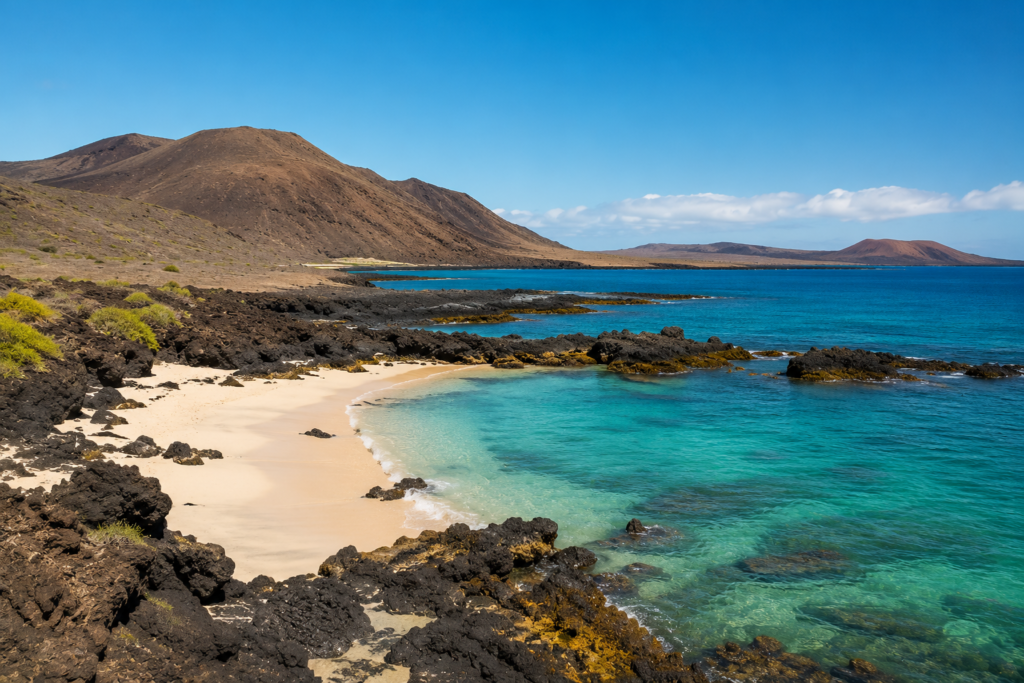
Check warning flags, lifeguard guidance and local conditions. FCDO guidance highlights strong currents and undertow. A photograph of shallow turquoise water does not establish safe swimming conditions. For water sports, confirm the operator’s equipment, briefing and weather cancellation policy and check suitable insurance.
Keep the itinerary practical
Use a manageable number of bases, confirm arrival arrangements and keep important contacts offline. Compare food options around the hotel and check excursion inclusions. Avoid a tightly timed final island connection. Review current official travel advice before departure and leave accessible funds for an extra night or changed transfer.
Related travel planning
For budget arithmetic, see planning a trip on a budget. For packing, see the carry-on packing guide.
Frequently Asked Questions
Do I need a visa to visit Cape Verde?
Requirements depend on nationality and purpose. Check the Cabo Verde government visa page and official EASE pre-registration guidance; do not assume UK or EU visitor rules apply to every passport.
What is the best time to visit Cape Verde?
Choose dates for the island and activity you want, then check current conditions and operator advice. Rain, strong seas or winter sandstorms can affect travel, so there is no universally best weather window.
Which Cape Verde island should I visit first?
Sal or Boa Vista may suit a beach-focused holiday; Santiago suits an itinerary including Praia and Cidade Velha. Compare flight connections and the experience you want before adding more islands.
Is Cape Verde expensive to visit?
The total depends on dates, accommodation, island connections and activities. Build an itemised budget from quotes rather than assuming a fixed €800–1,500 week.
What currency does Cape Verde use?
The Cape Verdean escudo, CVE. Banco de Cabo Verde lists €1 as 110.265 CVE. Confirm payment fees, cash access and current currency rules before travelling.
Conclusion
Choose an island itinerary that fits your interests and connection times. Confirm passport-specific entry rules, complete official pre-registration and compare the full cost before booking.

Marsha Rowe is the Founder and Travel Strategist at Parandjah Travels. She uncovers high-intent travel intelligence, specializing in slow travel frameworks and sports event logistics.