
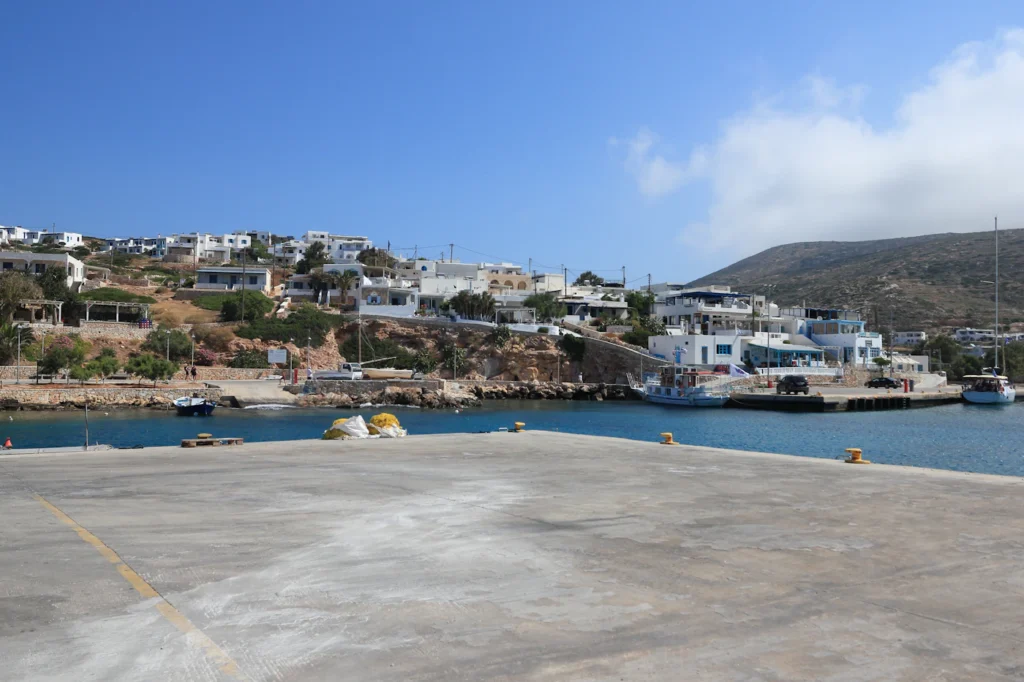
Greece trip planning gets complicated when a dream itinerary meets ferry timetables, airport connections and the real cost of moving between islands. Can you fit Athens, Santorini and another island into a week? What happens if a ferry is cancelled? Is October still practical without a car?
These questions belong in one guide because each decision changes the others. A cheaper hotel can require expensive transfers; an extra island can consume your contingency day. The answers below combine official transport and passenger-rights information with our planning recommendations. Future schedules and prices must be checked for your actual dates, especially for 2027 trips.
1. How many Greek islands should you visit in seven to ten days?
For a first trip, start with Athens and one island if you have seven nights. Consider two islands with ten nights, provided the transport connections work. This is a practical starting point rather than a rule: count usable days after international travel, not just the dates on your calendar.
A seven-night outline could be two nights in Athens, four on one island and a final night back in Athens. A ten-night version could be two in Athens, four on your first island, three on a second and one back in Athens. Both assume your international flight departs from Athens; direct island flights can change the route.
Choose the island around your main priority: beaches, villages, archaeology, food or a particular view. Then inspect the actual route between your chosen places. Two islands that look close on a map do not automatically have a convenient direct sailing on your dates.
Avoid turning every attractive island into a day trip. Our guide to day-trip alternatives explains why Milos generally deserves a separate stay rather than being treated as a simple Santorini excursion. A good day trip leaves enough time at the destination and has a workable return.
2. Which Greek island works without a car, and where should you stay?
Choose a specific base before choosing a whole island. A walkable town with groceries, restaurants and useful bus connections can make a car-free trip practical. A remote bargain room on the same island may create daily taxi costs or leave you dependent on infrequent services.
On Paros, compare accommodation around Parikia and Naoussa against the official KTEL Paros timetable. Check the outward journey and the last return for each beach or village you want to visit. The operator publishes dated schedules, so a summer screenshot is not proof of October service.
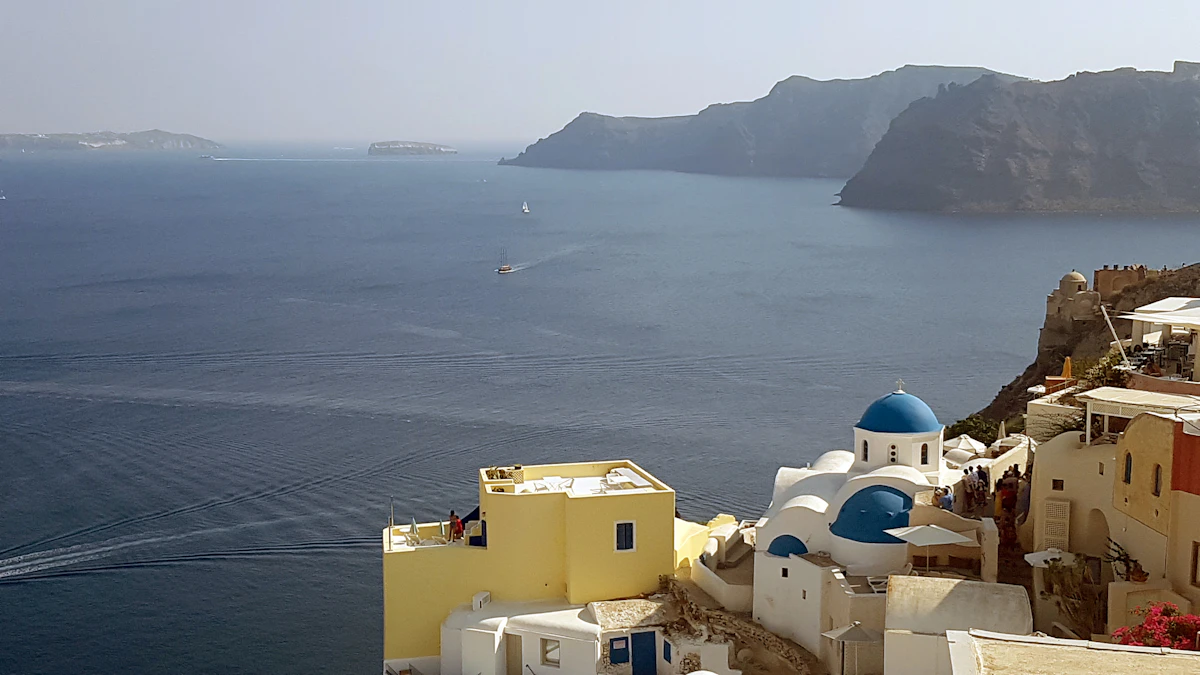
For Santorini, Fira is worth considering when public transport matters: the airport confirms a bus service between the airport and Fira. Check the current KTEL Santorini routes before selecting accommodation elsewhere.
Ask the property for the walking route from the stop, including stairs, gradients and luggage access. “Near the bus” does not establish accessibility. For families, compare a central room with a kitchenette against a cheaper isolated property plus transfers. The better-value choice is the one that supports the holiday you actually want.
3. Is a ferry cheaper or better than flying between Athens and an island?
Compare complete journeys, not headline fares. For a ferry, include travel to the correct port, any required overnight stay, your selected seat or cabin and transport to the hotel. For a flight, include baggage, airport transfers and any connection-related accommodation.
Here is an illustrative comparison, not a live quote: a €70 ferry plus a €15 port transfer totals €85. A €90 flight plus €25 baggage and a €15 transfer totals €130. Change the inputs and the result can reverse. Multiply by everyone travelling before deciding whether the saving justifies the time.
Build a second comparison in hours: hotel checkout, transfer, check-in or boarding allowance, journey and arrival transfer. Use the carrier’s instructions for your actual departure. A short flight is not the whole journey, and a ferry arrival at a distant port is not arrival at your hotel.
Our total-trip-cost flight guide provides the same approach for international tickets. Choose transport only after checking how it fits your accommodation and departure plans.
4. What should you do if your Greek ferry is cancelled?
First, confirm the cancellation with the operator or booking seller and keep the notice, ticket and receipts. Ask what alternatives are available before purchasing a replacement journey. Explain any onward connection, but do not assume the carrier will cover every consequential expense.
Under EU ship passenger-rights rules, covered ferry passengers generally have a choice between reimbursement and rerouting when a service is cancelled or departure is delayed by more than 90 minutes. The rules include exceptions and conditions; cruise provisions differ.
Severe weather matters: the EU guidance excludes accommodation entitlement when severe weather causes the cancellation or departure delay. Arrival-delay compensation also has weather-related exceptions. A weather cancellation does not automatically eliminate the separate refund-or-rerouting choice.
Confirm the replacement ticket rather than simply arriving for another boat. Blue Star’s conditions say cancelled-departure tickets must be exchanged for new tickets, subject to availability. Check your own carrier’s procedure. Contact your insurer before incurring costs you expect it to reimburse, and retain written decisions.
5. Can you take a ferry to Athens on the day of your international flight?
It may be possible on a particular timetable, but our recommendation is to return before departure day when missing the flight would be expensive. An overnight buffer gives you more options if the sailing changes. It reduces exposure; it cannot guarantee that every disruption will be resolved.
Treat the port-to-airport transfer as a separate journey. The official Athens guide places Piraeus around 45 kilometres from the airport. Scheduled arrival at the port is not the time you will be ready to check in for your flight.
Work backwards from the airline’s check-in and bag-drop requirements. Add disembarkation, finding your transfer, the transfer itself and a realistic margin. If you still choose a same-day connection, price a missed-flight scenario and check insurance wording beforehand. Separately booked services should not be assumed to provide the protection of a single through booking.
6. How much should a family budget for Greece?
There is no dependable nationwide daily figure without dates, room requirements and an itinerary. Start with accommodation and transport quotes for your party, then add food, activities and a reserve. State the currency and distinguish per-person costs from costs shared by the family.
For a family of two adults and one child spending seven nights and eight calendar days, an example worksheet might allocate €140 per night for accommodation (€980), €70 per day for food (€560), €20 per day for local transport (€160), €180 for activities and €300 for intercity travel. That produces a €2,180 subtotal.
Adding a €300 contingency makes €2,480. These are invented planning inputs, not researched market averages or a promise that this trip is bookable. International flights, insurance and any separately charged accommodation levies are additional. Replace every input with a current quote, and check child age rules and room occupancy.
If the total is too high, remove a transfer before stripping out every enjoyable activity. Compare fewer bases, different dates and rooms with cooking facilities. If Greece remains outside your budget, our Europe destination-alternatives guide explores other countries and complete costs. Those destinations offer different holidays, rather than identical Greek-island experiences.
7. Is Greece in October still worth visiting?
October can suit travellers who value sightseeing and a flexible pace, but do not book on the assumption of guaranteed swimming weather or full summer services. The useful question is whether your chosen accommodation, transport and activities operate on your exact dates.
For example, when checked on 23 October 2026, KTEL Paros displayed a timetable valid from 19 to 30 October 2026. That confirms dated service information exists; it does not establish what will run in October 2027. Recheck the operator when planning a later trip.
Ask your hotel which nearby restaurants and services will be operating, and confirm directly with any activity provider that matters to you. Check both directions of every transport connection. Leave room for an indoor or mainland alternative if weather disrupts a boat outing.
For a short trip, favour a base where the holiday still works if one excursion disappears. If your entire reason for travelling is a particular beach activity, evaluate whether the seasonal uncertainty matches your expectations before paying nonrefundable deposits.
8. How do you plan an affordable Greece honeymoon?
Begin with the experience you want to remember, then decide where to spend. If a particular Santorini view is the priority, compare a short stay in that room category with a longer stay elsewhere. Moving hotels also costs time and money, so calculate the complete itinerary before assuming a split stay saves.
When comparing a travel-agent proposal with booking independently, match dates, room category, baggage, transfers, meals, cancellation conditions and support. A lower DIY total is meaningful only when the inclusions match. Ask the agent to itemise the quote and explain what happens if transport changes.
Compare cruises with land stays in the same way: include excursions, port transfers and time actually available ashore. Neither format is automatically cheaper. Our destination-swaps guide can help identify the scenery or atmosphere you value before committing to a famous name. Recheck current conditions and costs rather than treating a past-year guide as a quotation.
Frequently Asked Questions About Planning a Greece Trip
Should you book Athens first or last? Match the route to your arrival and departure airports. With an Athens return flight, preserving a final mainland buffer is our preferred starting point; arrival-day fatigue may also justify an initial Athens stay.
Does an unpublished ferry schedule mean there will be no service? No. An absent listing alone does not establish cancellation or future operation. Ask the operator when your travel dates become bookable before committing to accommodation that depends on that sailing.
Should you reserve everything far ahead? Secure the elements that matter most once the route is workable, while understanding cancellation deadlines. Our refundable-hotel booking guide explains how to compare flexibility without assuming every “refundable” offer has the same conditions.
What should you do before paying? Put dates, hotel addresses, transfer plans, carrier contacts, cancellation deadlines and a reserve amount on one page. Confirm entry requirements through the relevant official authorities for your nationality and transit route. Then check that each moving day leaves enough time to enjoy the destination.
Is one week enough for Greece? Yes, if you keep the route focused. Athens and one island is our suggested starting point for seven nights. Allow for arrival fatigue, transfers and the journey back to your departure airport.
Should I book the hotel or ferry first? Check that the transport route works before committing to a hotel. If timetables are not yet available, consider accommodation with cancellation conditions that let you change plans before penalties apply.
Can I plan a Greece trip without renting a car? Yes, when your accommodation and intended outings fit the available transport. Check the walk from your room to the bus stop, both directions of each journey and your late-evening return options.
Does a cancelled ferry automatically mean a free hotel? No. Eligibility depends on the circumstances and applicable passenger-rights rules. As explained above, severe weather can exclude accommodation entitlement. Ask the carrier what assistance applies before assuming your expenses will be reimbursed.
Is the family budget in this guide a current price quote? No. It is a worksheet using illustrative amounts. Replace them with quotes for your dates, family size and room requirements, and add international flights, insurance and any separate accommodation charges.
Featured photo: DD GR / Unsplash.

Marsha Rowe is the Founder and Travel Strategist at Parandjah Travels. She uncovers high-intent travel intelligence, specializing in slow travel frameworks and sports event logistics.