
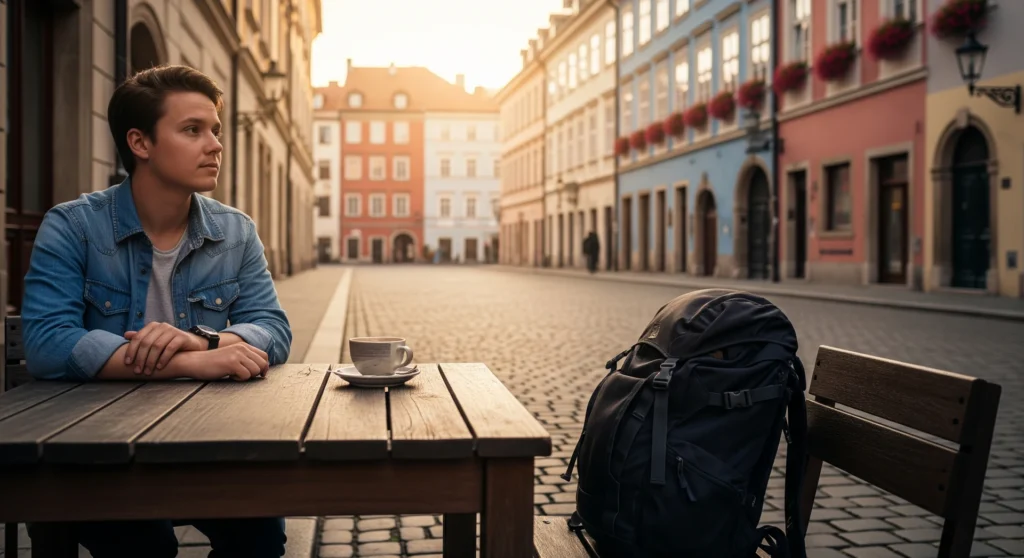
Affordable Europe travel starts with a complete budget for your dates, not a promise that a destination costs under US$50 every day. Tbilisi, Plovdiv, Matera, Kotor and Timișoara offer different trip styles. This guide shows what to price in each place and how to compare a dorm-based target with private-room travel, including the transport costs that a day-trip or longer-stay strategy can hide.
Treat these as options to research, not guaranteed cheapest destinations. Any numbers below are illustrative budget arithmetic rather than live supplier quotes.
| Destination | Budget question | Cost easy to miss |
|---|---|---|
| Tbilisi | Dorm or private room? | Baths, cable car and arrival-airport transfer |
| Plovdiv | Short stay or rental? | Cleaning fees and attraction tickets |
| Matera | Bari day trip or overnight? | Bari lodging plus return transport |
| Kotor | Old town or bay base? | Boat trips and onward buses |
| Timișoara | Dorm and free walks or private room? | All meals, local travel and events |
Compare Dates and Trip Style, Not Country Labels
A peak-season old-town hotel and a shoulder-season hostel are different products. Croatia and Poland can still offer value, just as Kotor or Matera can be expensive. Compare the same dates, room type, meals and activities before switching destinations. Crowds also vary by day and neighborhood; none of these places is guaranteed quiet.
Tbilisi, Georgia: Separate the Room, Baths and Transport
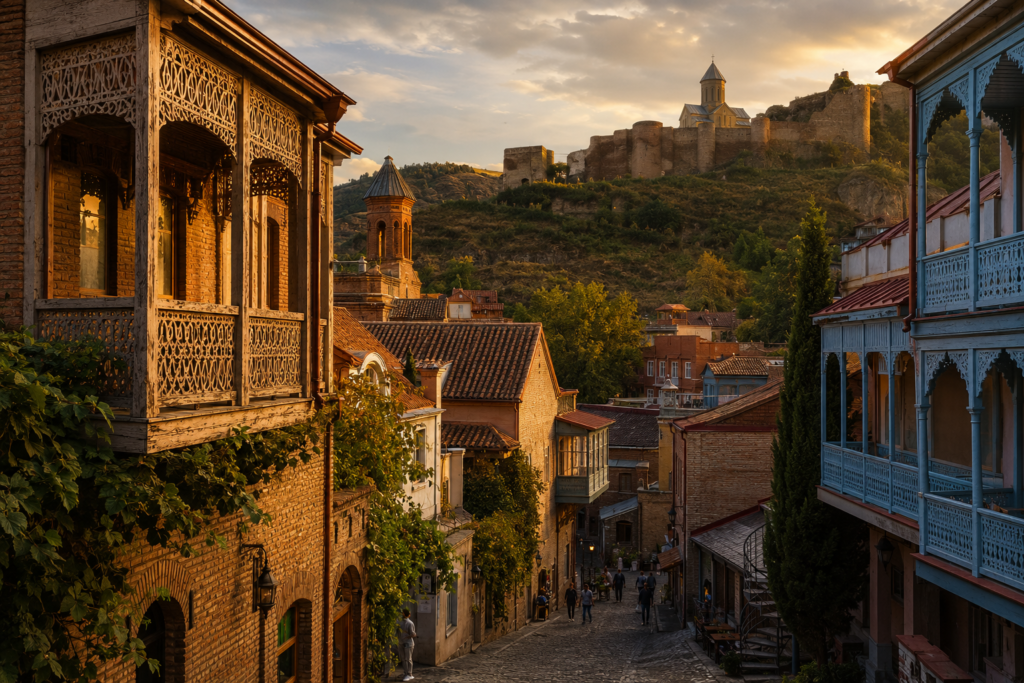
Tbilisi is an option in the South Caucasus for travelers interested in Old Town streets, Georgian food and wine. Start with dated hostel or guesthouse quotes and recent reviews. A low dorm price is not a private-room price, and wine, baths and cable-car rides need their own budget lines.
Bathhouses offer different shared or private services; confirm the session length, towels and any extra treatments. A bath booking does not automatically include the cable car. The official tourism guide describes the Rike Park cable-car approach and the uphill walking route. Check current opening and access conditions before planning a fortress visit.
For access, compare the actual arrival airport. A fare to Kutaisi is not a flight to Tbilisi and needs an onward journey. Add baggage and transfers. Check official entry rules for your passport rather than assuming one rule for every EU or US traveler.
Plovdiv, Bulgaria: Price a Complete Culture Day
Plovdiv can suit a trip centered on the Old Town, Roman heritage and Kapana district. Compare a dorm, guesthouse and apartment using the complete nightly total. A longer rental may save money, but cleaning fees or a minimum stay can erase the discount.
Build food costs from three meals rather than treating one restaurant main and a coffee as a full day. Check tickets for any ancient-theatre entry, museum or performance you intend to attend; an outside view is different from visiting the site. Allow for cobbles, hills and transport if walking is difficult.
Bulgaria is in Schengen. For travelers subject to the short-stay allowance, time here counts toward the shared limit; it is not an outside-Schengen budget base. See the Council’s current Schengen overview.
Matera, Italy: Day Trip or Overnight?
The Sassi and Park of the Rupestrian Churches are a UNESCO World Heritage site in Basilicata. A day trip from Bari can avoid a cave-hotel stay, but it still requires paying for your Bari room, return transport, meals and any admissions.
Do not assume the Bari–Matera train takes under an hour. Check the exact service, connections and return on the Ferrovie Appulo Lucane timetable, including holiday services and replacement buses. A slow connection can leave much less sightseeing time than a map suggests.
Compare a non-cave room in Matera with the Bari base plus transport. A day trip is cheaper only when those complete totals support it. The Sassi include slopes and steps, so check the route and property access before choosing.
Kotor, Montenegro: Compare the Bay Base and Day Trips
Kotor offers a walled old town and a bay setting, but it is not automatically half the price of Dubrovnik. Compare current room quotes for the same dates and occupancy, including any tourist charges. Old-town rooms can also have stairs, noise or a walk from vehicle access.
Price a fortress visit, boat excursion and restaurant meals individually. Check entry charges and heat conditions for uphill walks. Perast visits and trips to island churches need their own transport arrangements; do not assume a cheap vehicle ferry links every bay destination.
For Budva or other day trips, check the actual bus timetable, stop location, traffic and final return. Avoid budgeting around a universal 20-minute ride. A mainland or bay base may be worthwhile, but price the added transport before moving outside the old town.
Timișoara, Romania: Check Room and Activity Totals
Timișoara is a city-break option for public squares, architecture, cafés and cultural visits. Compare current accommodation and event schedules rather than assuming that its former European Capital of Culture title means no crowds or guaranteed low prices.
Add breakfast, lunch, dinner, local transport and the admissions you actually want. A US$50 target may require a dorm and mostly free activities; a private room and restaurant dinners can exceed it. Convert Romanian-leu quotes consistently and account for payment fees.
Romania is fully part of Schengen. Eligible short-stay travelers must count it within the shared allowance, and remote work can have separate permission or tax implications. Cheap housing does not establish permission to stay or work.
Build a Daily Target From Complete Quotes
Use one currency and one person’s actual share of accommodation. Add every meal, local transport, admissions and mandatory charges. Then add flights, intercity journeys, visas, insurance and airport transfers as separate trip costs; excluding them from a daily target does not make them disappear.
A longer stay or an overnight train can improve value, but neither guarantees a saving. Compare the full rental bill and the train’s actual seat or berth class with the hotel night you would really avoid. Choose the season for the weather and activities you need, then check the price rather than assuming every May or October stay is cheaper.
Essential Internal Resources
These guides on Parandjah Travels cover the related planning layers:
- For the full Europe dupe comparison with cost breakdowns: 6 Europe Travel Dupes Under $50/Day
- For visa-free access to these destinations: Visa-Free Travel Countries for Long-Term Stays
- For the Balkans slow travel rotation strategy: Balkan Budget Rotation Guide
- For shoulder season timing: Best Time to Visit Popular Destinations
- For cheap coworking in these cities: Cheap Coworking Spaces for Digital Nomads
Worked US$50 Target: Include Every Meal
Illustrative solo day: US$20 dorm + US$5 breakfast + US$7 lunch + US$10 dinner + US$3 local transport + US$5 admission = US$50. A US$45 private room with the same choices makes it US$75. This excludes flights, intercity travel, insurance and airport transfers. Replace each allowance with dated local quotes and convert from euros, lari or lei using a consistent exchange rate.
Frequently Asked Questions
Which European country is the cheapest to travel in 2026?
There is no single cheapest country for every trip. Compare exact dates, room type and total costs. This guide offers five research options rather than a verified price ranking.
Is $50 a day realistic for Europe travel in 2026?
It may be possible with a low-cost dorm, simple meals and selected activities. It is not a comfortable guaranteed budget for all five destinations, and flights, intercity transport and other trip costs still need to be paid.
Is Kotor still cheaper than Dubrovnik in 2026?
It may be for your dates, but no universal half-price comparison is reliable. Compare equivalent rooms, transport and activities in both places.
When is the best time to visit these affordable European destinations?
Check the weather, service openings, local events and actual quotes for your dates. A shoulder-season trip can offer value, but not the same conditions or guaranteed savings everywhere.
Want More Free Travel Resources?
Grab the free 2026 Travel Dupes Cheat Sheet for more budget-friendly destination ideas across Europe. Subscribe at the top of parandjahtravels.com to download it instantly.
Conclusion
Choose a destination by the experience you want and the complete cost you can afford. Use dated room and transport quotes, count all meals and paid activities, and keep a separate allowance for getting there. A US$50 daily target is a planning constraint to test, not a price guarantee.

Marsha Rowe is the Founder and Travel Strategist at Parandjah Travels. She uncovers high-intent travel intelligence, specializing in slow travel frameworks and sports event logistics.